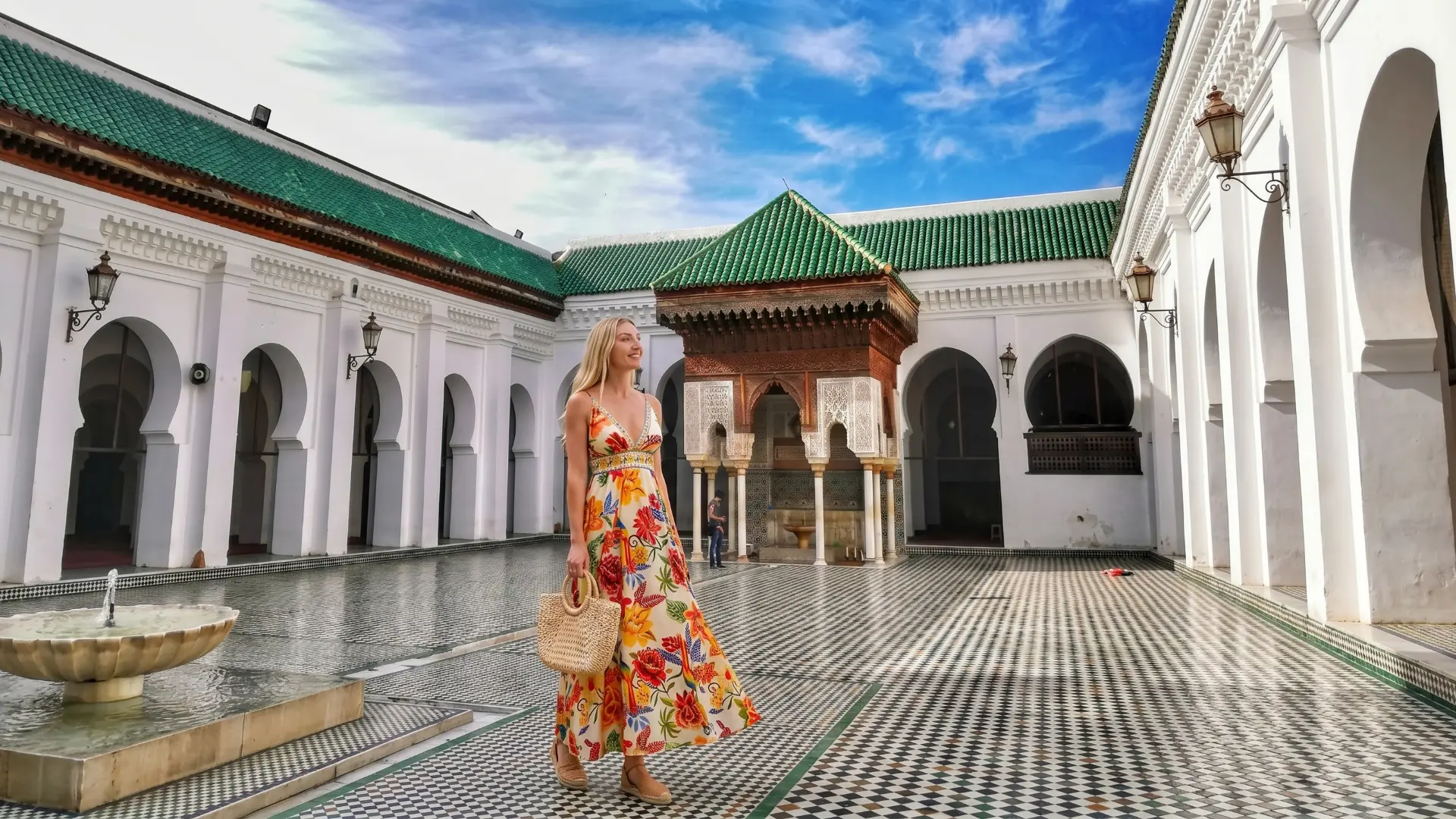
People often ask me how I manage to travel so much without draining my bank account. The truth? I’m not a millionaire, and I don’t travel in luxury. What I do have is a solid strategy. Over the years, I’ve tested, tweaked, and perfected my approach to budget travel. I’ve made mistakes (like paying $60 for a checked bag I didn’t need) and I’ve had massive wins (like scoring a $400 flight to Europe using credit card points).
If you’re dreaming of your next adventure but feeling restricted by your budget, I’ve compiled my ultimate playbook. Here are my 50 personal, proven budget travel tips to help you see the world without going broke.
Phase 1: Building Your Travel Fund
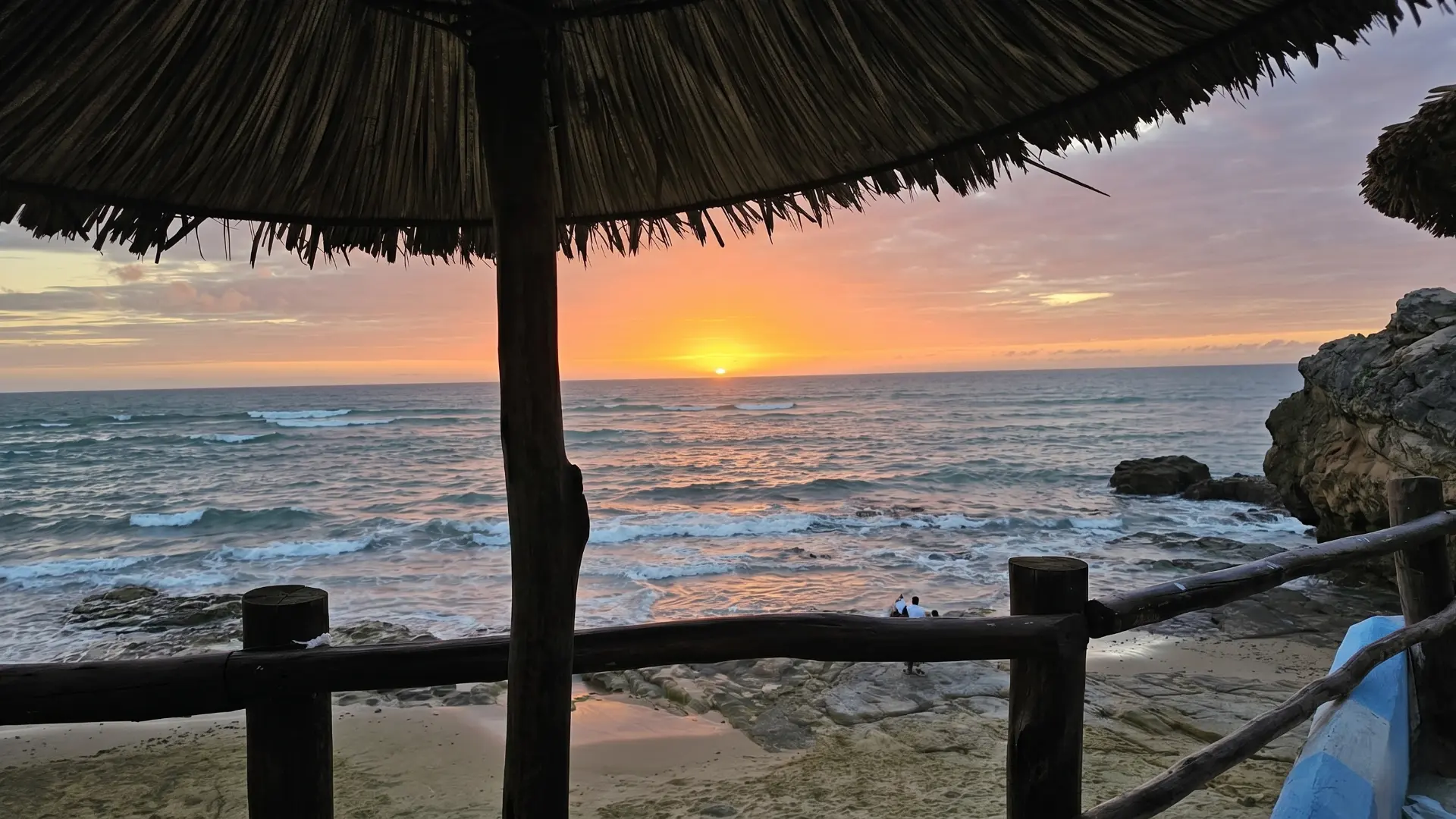
1. I set up a dedicated vacation savings account. I opened a high-yield savings account specifically for travel. I set up an automatic transfer of $50 every payday. Out of sight, out of mind, and it grows with interest!
2. I set a clear, realistic budget. Before I even look at flights, I decide exactly how much I want to spend. I break it down: flights, accommodation, food, transport, and a “fun money” buffer. Knowing my limit keeps me grounded.
3. I declutter my home and sell what I don’t need. I went through my closet and sold old clothes on Poshmark and old electronics on eBay. I put every single dollar from those sales directly into my travel fund.
4. I pick up a side hustle just for travel. When I really want a big trip, I dog-walk on Rover or do freelance graphic design. I treat this income as “travel-only” money, which accelerates my savings incredibly fast.
5. I use travel credit card sign-up bonuses. I apply for a travel rewards card a few months before a big trip. I meet the minimum spend using my normal daily expenses, and I use the massive sign-up bonus to cover my main flight.
6. I use cash-back portals for everyday spending. Before I buy anything online, I log into Rakuten or Ibotta. I get cash back on everything from my groceries to my new luggage, and I funnel that cash straight into my travel savings.
Phase 2: Strategic Planning & Booking
7. I stay flexible with my travel dates. I use Skyscanner’s “Whole Month” view to find the cheapest days to fly. Flying on a Tuesday or Wednesday instead of a Friday can save me hundreds of dollars.
8. I travel in the shoulder or off-season. I avoid peak summer and major holidays. I love visiting Europe in late October or Southeast Asia in May. The weather is still great, the crowds are thin, and the prices are slashed.
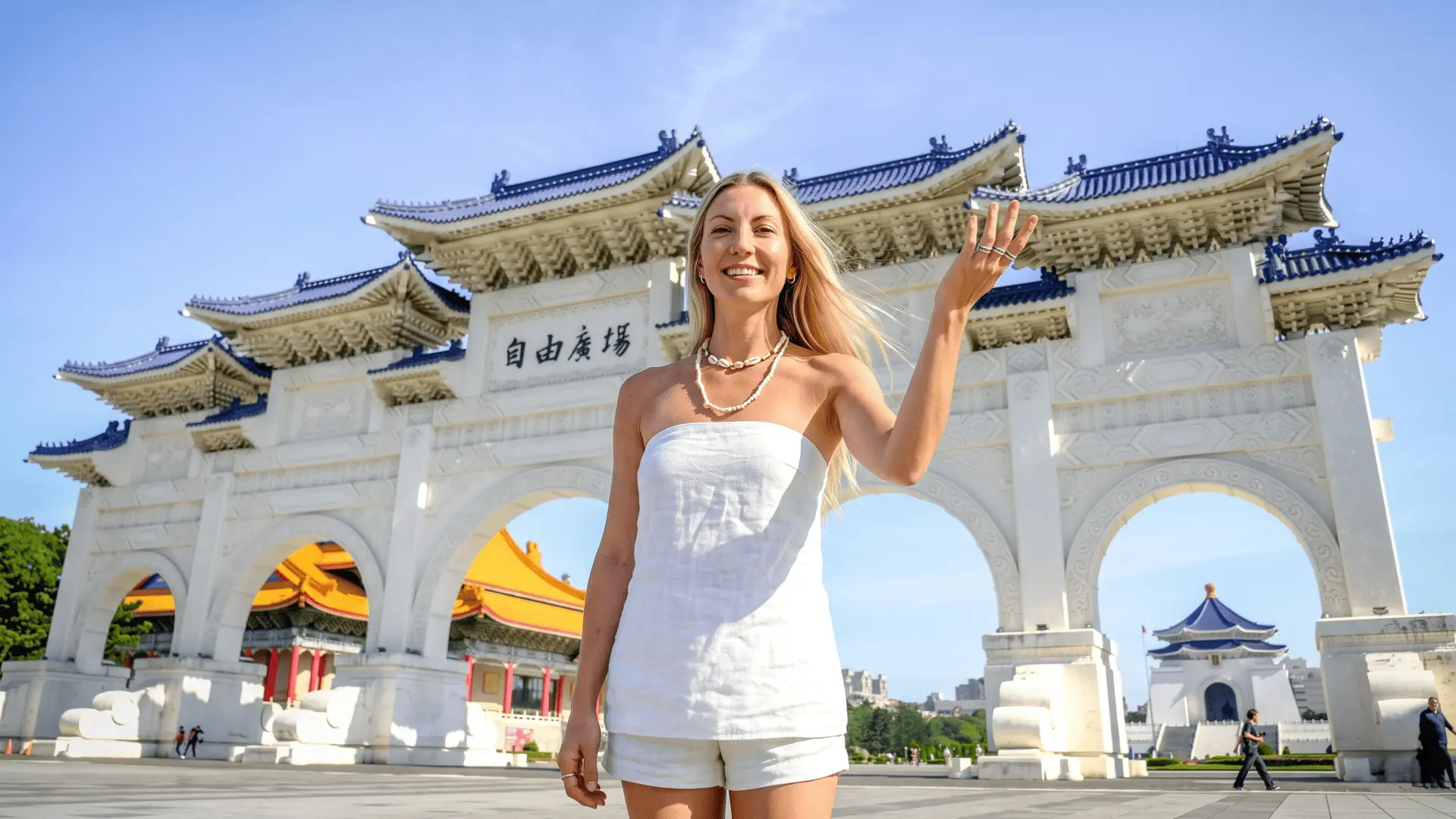
9. I stay open to alternative destinations. If I want to see the Mediterranean but Greece is too expensive, I look at Albania or Turkey. I compare flight prices to multiple cities before committing to one.
10. I hunt for hidden discounts. Before I book anything, I check if I qualify for discounts. I use my AAA membership, alumni association, or even my employer’s corporate codes to knock 10-15% off hotels and car rentals.
11. I set up fare alerts. Instead of checking prices daily, I use apps like Hopper or Going (formerly Scott’s Cheap Flights). They notify me when prices drop, so I buy at the exact right moment.
12. I always compare booking sites to the direct website. I might find a cheap hotel on Expedia, but I always check the hotel’s direct website. Sometimes they offer a “best rate guarantee” or throw in free breakfast if I book direct.
13. I sign up for airline and hotel newsletters. I create a separate email address just for travel deals. Brands often send a 10% or 15% off promo code just for subscribing to their welcome emails.
14. I follow my favorite brands on social media. Airlines and resorts frequently post flash sales or secret promo codes on their Instagram or X (Twitter) accounts. I turn on post notifications so I never miss out.
15. I always search for a promo code at checkout. Before I finalize any booking, I do a quick Google search for “[Website name] promo code” or use the Honey browser extension. I’ve saved at least $50 doing this simple 10-second trick.
Phase 3: Hacking Accommodation
16. I book Airbnb or VRBO for the kitchen access. I love having a kitchen. Being able to cook my own breakfast and pack a lunch saves me an astronomical amount of money over a two-week trip.
17. I look for weekly or monthly stay discounts. When booking an Airbnb, I always check if the host offers a weekly discount. I’ve seen hosts knock 20% off the total price just for booking seven nights instead of six.
18. I embrace hostels (even in private rooms). Hostels aren’t just for college kids. I often book a private en-suite room in a highly-rated hostel. It’s half the price of a hotel, and I still get to use the social common rooms to meet people.
19. I consider house sitting or home exchanges. I’ve used TrustedHousesitters to stay in beautiful homes for free in exchange for watching a couple’s cats. It’s the ultimate budget accommodation hack.

20. I do the math on all-inclusive resorts. Sometimes, an all-inclusive package in Mexico is actually cheaper than paying for a standard hotel room plus three meals and drinks a day. I always calculate the total cost before booking.
21. I check Groupon for local getaways. If I’m doing a domestic trip, I check Groupon for hotel deals. I once scored a two-night stay at a beautiful vineyard resort for 60% off the regular price.
22. I maximize the free continental breakfast. If my hotel offers free breakfast, I eat a big meal in the morning and pack a few pieces of fruit or bagels in my bag for a mid-morning snack.
23. I ask the front desk for forgotten items. I once forgot my toothpaste. Instead of buying a travel-sized tube for $6 at a convenience store, I called the front desk, and they brought one up to my room for free!
Phase 4: Packing Smart to Save Cash
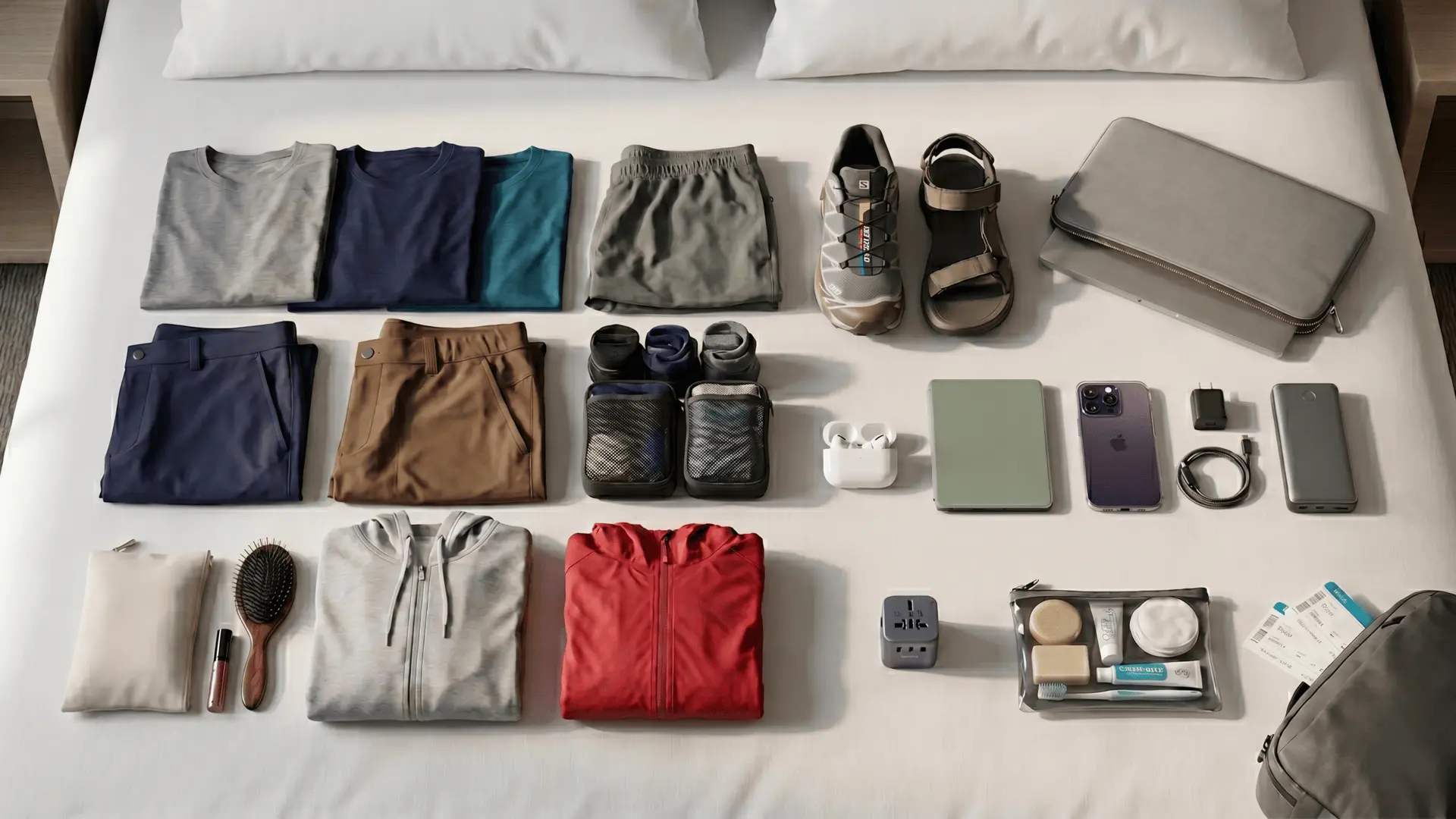
24. I pack light to avoid baggage fees. I strictly travel with a carry-on and a personal item. I used to pay $60 each way for checked bags until I realized I was paying just to transport jeans I never even wore.
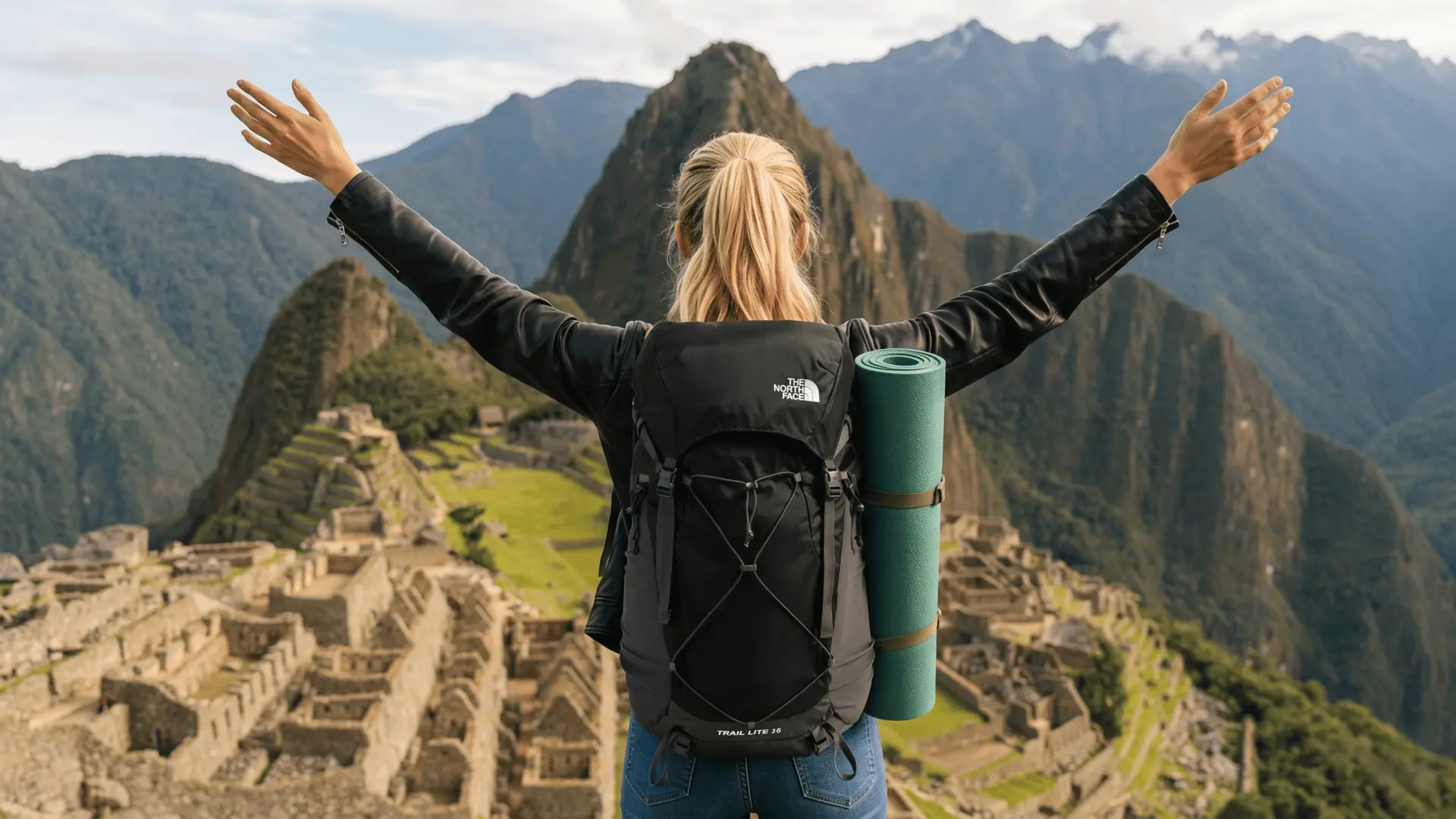
25. I wear my bulkiest items on the plane. If I need to bring a heavy jacket or thick boots, I wear them on the flight. It saves precious space in my bag and keeps me warm on the chilly airplane.
26. I bring a collapsible reusable water bottle. I empty it before airport security and fill it up at a water fountain after. Buying bottled water every day can add up to $15+; my collapsible bottle costs nothing to refill.
27. I pack my own snacks. Travel makes me hungry, and airport food is a rip-off. I always pack granola bars, nuts, and instant oatmeal in my bag. It’s saved me from making desperate, expensive purchases during delays.
28. I bring a high-capacity power bank. Buying a phone charger at an airport kiosk can cost $30. I bring my own power bank so I can charge my phone on the go without hunting for an outlet or buying overpriced gear.
29. I bring a thermos for my morning coffee. I’m a caffeine addict, but I refuse to pay $7 for a café latte every morning. I buy local coffee beans, brew it in my hotel room, and fill my thermos before I head out.
Phase 5: Eating & Drinking on a Dime
30. I don’t eat every meal out. I treat dinner as my “splurge” meal. For breakfast and lunch, I rely on groceries, street food, or leftovers.
31. I hunt for lunch specials. In many countries, restaurants offer a menú del día or lunch special that is half the price of their dinner menu. I eat my main, heavy meal at 1 PM when it’s cheapest.
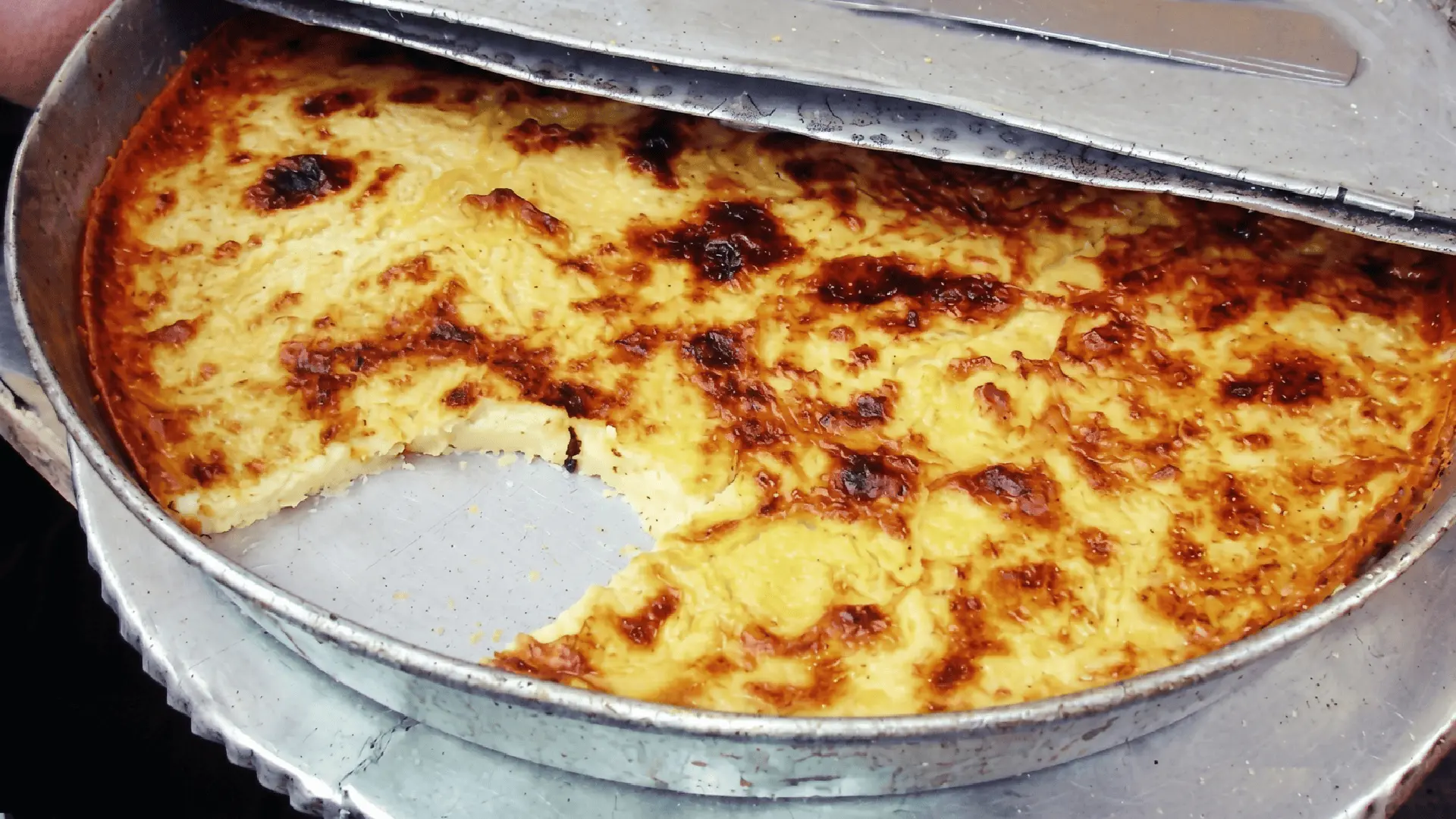
32. I avoid eating next to major landmarks. I learned early on that a restaurant with a view of the Eiffel Tower or the Colosseum charges a 100% markup for mediocre food. I walk at least five blocks away from the main tourist sites to find better food at half the price.
33. I drink the local beverages. Instead of ordering an imported beer or a fancy cocktail, I drink the local house wine, regional beer, or fresh local sodas. It’s cheaper, more authentic, and usually delicious.
34. I pack picnic meals. I love going to a local grocery store, buying fresh bread, local cheese, and some fruit, and taking it to a park. It’s a beautiful, cheap lunch with a view you can’t buy.
35. I plan my meals around happy hours. If I want a nice drink or a fancy appetizer, I check local happy hour times. I can get high-quality food and drinks for a fraction of the evening price.
Phase 6: Getting Around for Less
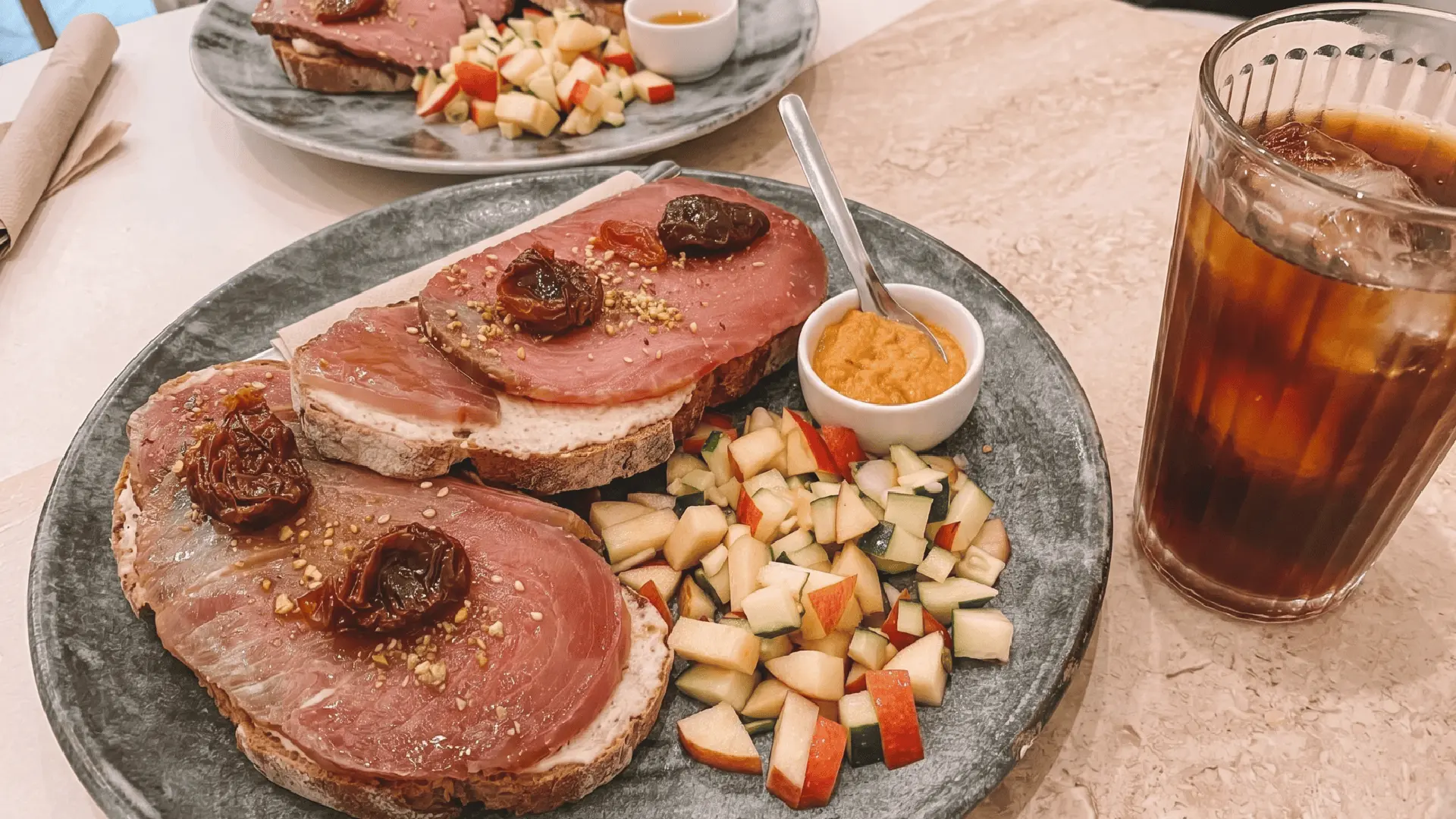
36. I embrace public transportation. I avoid taxis and rideshares like the plague. I figure out the local metro, bus, or tram system. It’s a fraction of the cost, and it forces me to interact with the city like a local.
37. I walk or rent a bike. My favorite way to see a city is on two feet or two wheels. It’s free (or costs a few dollars for a bike rental), it’s great exercise, and I always stumble upon hidden gems I’d miss in a car.
38. I take overnight buses or trains. If I’m traveling between cities, I book an overnight journey. I save the cost of a taxi to the station, and I save a full night’s accommodation fee by sleeping on the move.

39. I use intercity ridesharing apps. In Europe, I use BlaBlaCar to share rides with locals driving between cities. It’s incredibly cheap, safe, and a great way to practice my language skills.
40. I road trip with friends. If I’m exploring a country with vast landscapes (like the US or Australia), I rent a car and split the gas and rental costs with two or three travel buddies.
41. I use hotel shuttles. When booking a hotel near an airport or a major tourist hub, I specifically look for ones that offer a free shuttle. It saves me the $30-$50 cab ride from the terminal.
Phase 7: Exploring & Activities
42. I search for “free things to do” on TripAdvisor. Before I go anywhere, I type “free things to do in [Destination]” into TripAdvisor or a travel blog. I’ve found incredible free hiking trails, historic neighborhoods, and public gardens this way.
43. I look for free museum days. Many world-class museums offer free admission on specific days. For example, the Louvre in Paris is free on the first Saturday of the month. I plan my itinerary around these dates.
44. I take free walking tours. Almost every major city has “Free Walking Tours” (like Sandemans New Europe). The guides work for tips, so I just pay what I can afford at the end. It’s the best way to get oriented on day one.
45. I check tourist welcome centers for coupons. When I arrive in a new city, I stop at the official tourist information center. They always have physical coupon books for attractions, boat tours, and restaurants.
46. I prioritize nature and parks. The best things in life are free. I spend my days hiking national parks, swimming at public beaches, and exploring botanical gardens. Nature doesn’t charge an entry fee.
47. I only buy City Passes if the math works. I love the idea of a “City Pass,” but I never buy one blindly. I look at my planned itinerary, add up the individual ticket prices, and only buy the pass if it actually saves me money.
Phase 8: Mindset & Money Management on the Road
48. I ask friends and family for advice. If I’m going to a place a friend has visited, I pick their brain. They always tell me which tourist traps to avoid and which hidden, cheap local spots I absolutely must see.
49. I ask locals for their favorite cheap eats. When I check into my Airbnb or chat with a bartender, I ask, “Where do you eat when you don’t want to cook?” Their recommendations are always cheaper and more authentic than any guidebook.
50. I track my daily spending in an app. I use an app like TravelSpend or Wallet to log every single purchase. If I see I’ve blown my food budget on day three, I know I need to eat grocery store sandwiches for the rest of the trip. It keeps me totally in control.
Final Thoughts
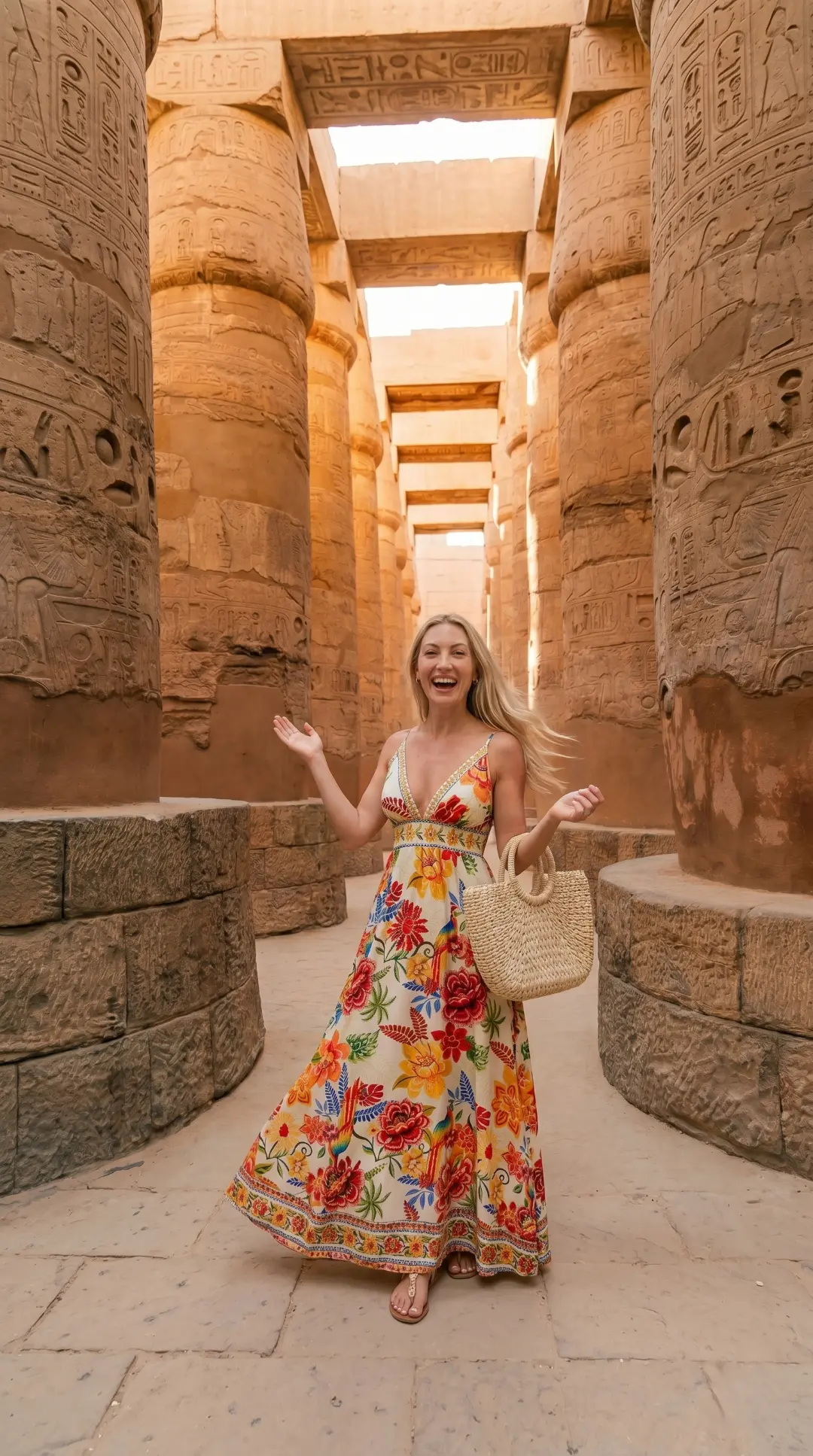
Traveling on a budget doesn’t mean you have to be miserable, sleep on floors, or starve yourself. For me, it’s about being intentional. It’s about shifting my money away from things that don’t matter (like checked bags and tourist-trap restaurants) and pouring it into the things that do (like a beautiful sunset hike or a meal with new friends).
I’ve used these exact 50 tips to explore the world, and they can work for you, too. Start small. Pick just three or four of these tips for your next trip and see how much you save.
Have you tried any of these budget travel hacks, or do you have a secret tip of your own? Drop your thoughts in the comments below—I’m always looking for new ways to stretch my travel dollar. Safe travels, and happy saving!