The humidity hit me first. Thick, tropical, clinging to my skin the moment I stepped off the PMV (public motor vehicle) in Alotau. Then came the sound — waves lapping against the harbor, mixed with the distant thrum of outboard motors and the chatter of vendors at the waterfront market. I stood there with my 40-liter backpack, sweating through my shirt, wondering if I’d made a mistake coming to this remote corner of Papua New Guinea.
Alotau isn’t Port Moresby. It’s not even close. This is the capital of Milne Bay Province, a quiet coastal town where World War II history sits alongside vibrant local culture, and where tourism infrastructure is… let’s call it “rustic.” As someone who’s been backpacking since age 22 across 40+ countries, I’ve learned to read a place within the first hour. Alotau felt real. Unpolished. Honest.
I spent three days here in March 2026, exploring on a shoestring budget, and I’m sharing exactly how I did it — and how you can too.

Why I Chose Alotau (And Why You Might Too)
I’ll be honest: Alotau wasn’t on my original Papua New Guinea itinerary. I was heading to Port Moresby, then maybe Rabaul if flights cooperated. But then I read about the Battle of Milne Bay — the 1942 confrontation where Allied forces handed Japanese troops their first land defeat in the Pacific theater. As a history nerd who’s walked battlefields from Normandy to Vietnam, this pulled at me.
Alotau sits at the heart of Milne Bay Province in southeastern Papua New Guinea, a region that saw fierce fighting during World War II. The town itself is small, unassuming, and far from the polished tourist destinations you might find elsewhere in the Pacific. But that’s exactly what drew me in. Here was a place where I could stand on ground that changed the course of history, then walk five minutes to watch local fishermen haul in their catch at dawn.

Is Alotau worth the detour? In my experience, absolutely — if you’re looking for authenticity over luxury. The diving in Milne Bay is world-class, the WWII sites are moving and well-preserved, and the local culture remains vibrantly intact. Just don’t expect five-star resorts or seamless logistics. This is Papua New Guinea at its most raw.
How I Got to Alotau (Transport & Entry)
Getting to Alotau requires patience and flexibility. I tried two different routes, and here’s what actually worked:
Flying from Port Moresby → 450-650 PGK ($120-175 USD) one-way → 45 minutes → My verdict: Worth it if you book ahead
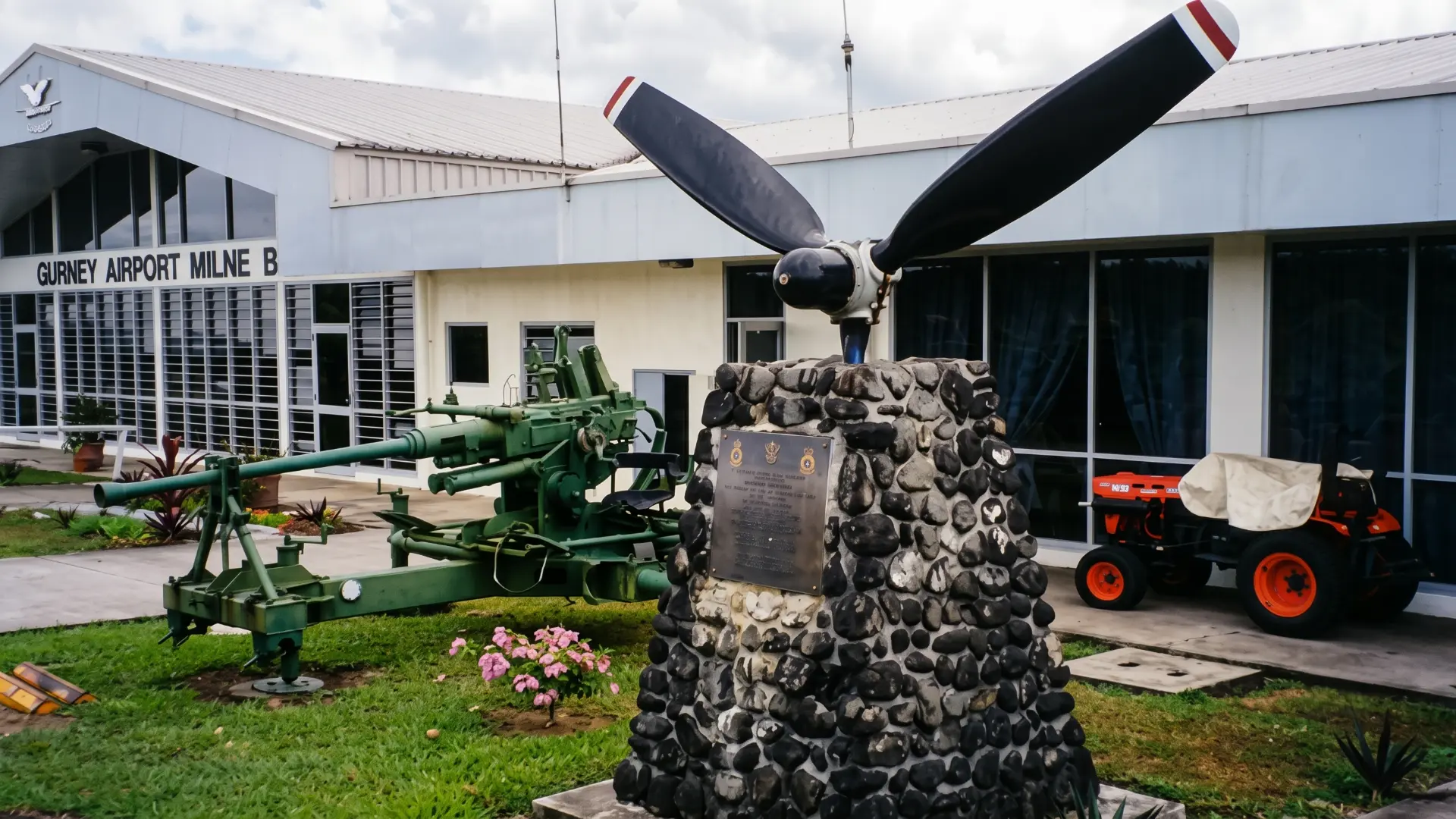
I flew Air Niugini from Jacksons International Airport in Port Moresby to Gurney Airport in Alotau. The flight was short, scenic, and surprisingly affordable when I booked three weeks in advance. The plane was a small twin-prop, the kind where you can see the pilot through the cockpit door. Views of the coral reefs and jungle-covered islands below were stunning.
My tip: Book directly through Air Niugini’s website, not third-party sites. I saved 80 PGK ($21 USD) doing this. Flights fill up fast, especially on Fridays and Sundays.
PMV (Public Motor Vehicle) from Port Moresby → 150-200 PGK ($40-53 USD) → 12-14 hours → My verdict: Only for the adventurous
I took this route on my return journey to save money. Let me be clear: this is not a comfortable option. The PMV is essentially a converted truck with bench seats, and the road from Port Moresby to Alotau is rough, winding, and often muddy. We stopped countless times for passengers, cargo, and mechanical issues. I arrived exhausted but richer by about 100 PGK.
My tip: Bring your own food, water, and patience. The journey is technically possible in a day, but I’d recommend breaking it up if you can.
By Sea (Boat from nearby islands) → Varies → Several hours → My verdict: Great for island-hoppers
If you’re coming from the Trobriand Islands or other Milne Bay destinations, local boats and ferries run irregularly. I didn’t take this route myself, but I met travelers who’d island-hopped their way to Alotau over several weeks.
My tip: Check schedules at the wharf in person — online information is often outdated.
Visa Requirements: Most nationalities need a visa to enter Papua New Guinea. I applied online through the official immigration portal two weeks before my trip. The tourist visa cost 100 PGK ($27 USD) and was processed within five business days. [Official visa site: Papua New Guinea Immigration & Citizenship Authority]
My takeaway: Flying is the most practical option for an alotau papua new guinea day trip or short visit. The PMV is cheaper but brutal. Plan your transport before you arrive in PNG — options are limited once you’re on the ground.
Where I Stayed: Budget Accommodation That Actually Works
Let’s address the reality: Alotau doesn’t have hostels. It doesn’t have budget backpacker dorms. What it does have are guesthouses and small hotels that range from “basic but clean” to “overpriced for what you get.”
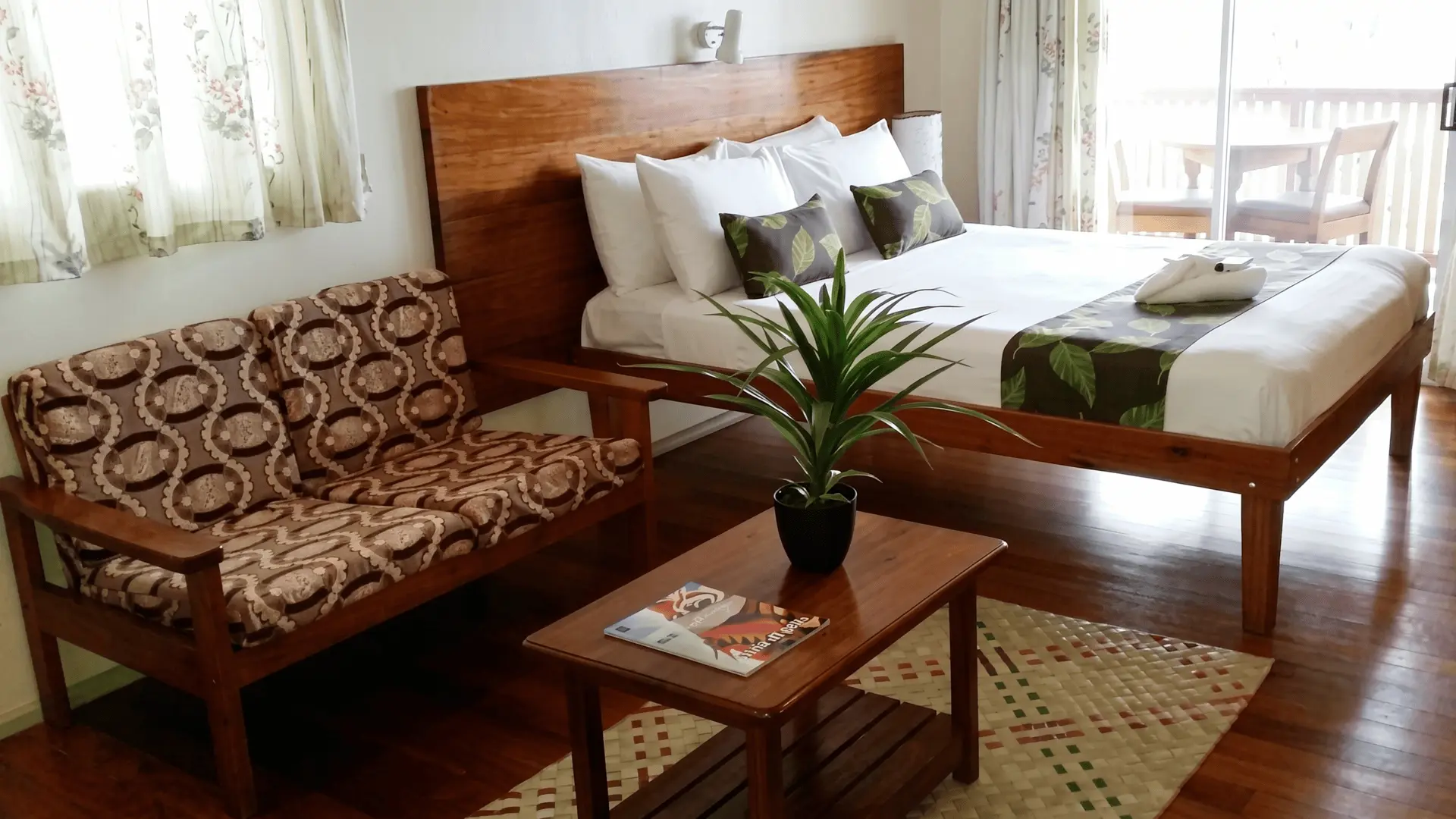
My Pick: Masurina Lodge → 415 PGK ($95 USD)/night → Includes breakfast, WiFi, harbor views
I stayed here for two nights, and it was the best value I found in town. Yes, 280 PGK sounds steep for budget travel, but remember: this is remote Papua New Guinea. The room was clean, the bed had mosquito netting (essential), the shower had hot water (not guaranteed everywhere), and the breakfast included fresh tropical fruit and strong coffee. The staff helped me arrange transport to the WWII sites and gave me honest advice about which PMVs were safe to take.
Alternatives I Researched:
- Alotau Beach Hotel: ~350-450 PGK ($93-120 USD)/night — Waterfront location, more upscale, restaurant on-site
- Tudor Lodge: ~200-250 PGK ($53-67 USD)/night — Basic but clean, family-run, 10-minute walk from town center
- Kiriwina Guesthouse: ~150-180 PGK ($40-48 USD)/night — Budget option, shared bathroom, book directly with owner
Booking tip: I called properties directly rather than using Booking.com. Many Alotau accommodations don’t list online, or their online prices are inflated. A phone call (or WhatsApp message if they have it) got me better rates and confirmed availability. I also asked if they could arrange airport pickup — worth the extra 30 PGK ($8 USD) to avoid taxi haggling at 6 AM.
Budget-Friendly Things to Do in Alotau
I had three full days in Alotau, and I filled them with a mix of history, nature, and cultural immersion. Here’s what actually moved me:
Battle of Milne Bay Memorial Sites → Free
Standing at the actual ground where the 1942 battle took place gave me chills. This was where Australian and American forces stopped the Japanese advance in the Pacific — a turning point in World War II history. The memorials are scattered around the Alotau area, with plaques and monuments honoring fallen soldiers. I spent two hours walking the sites, reading the inscriptions, and trying to imagine the jungle combat that took place here over 80 years ago.
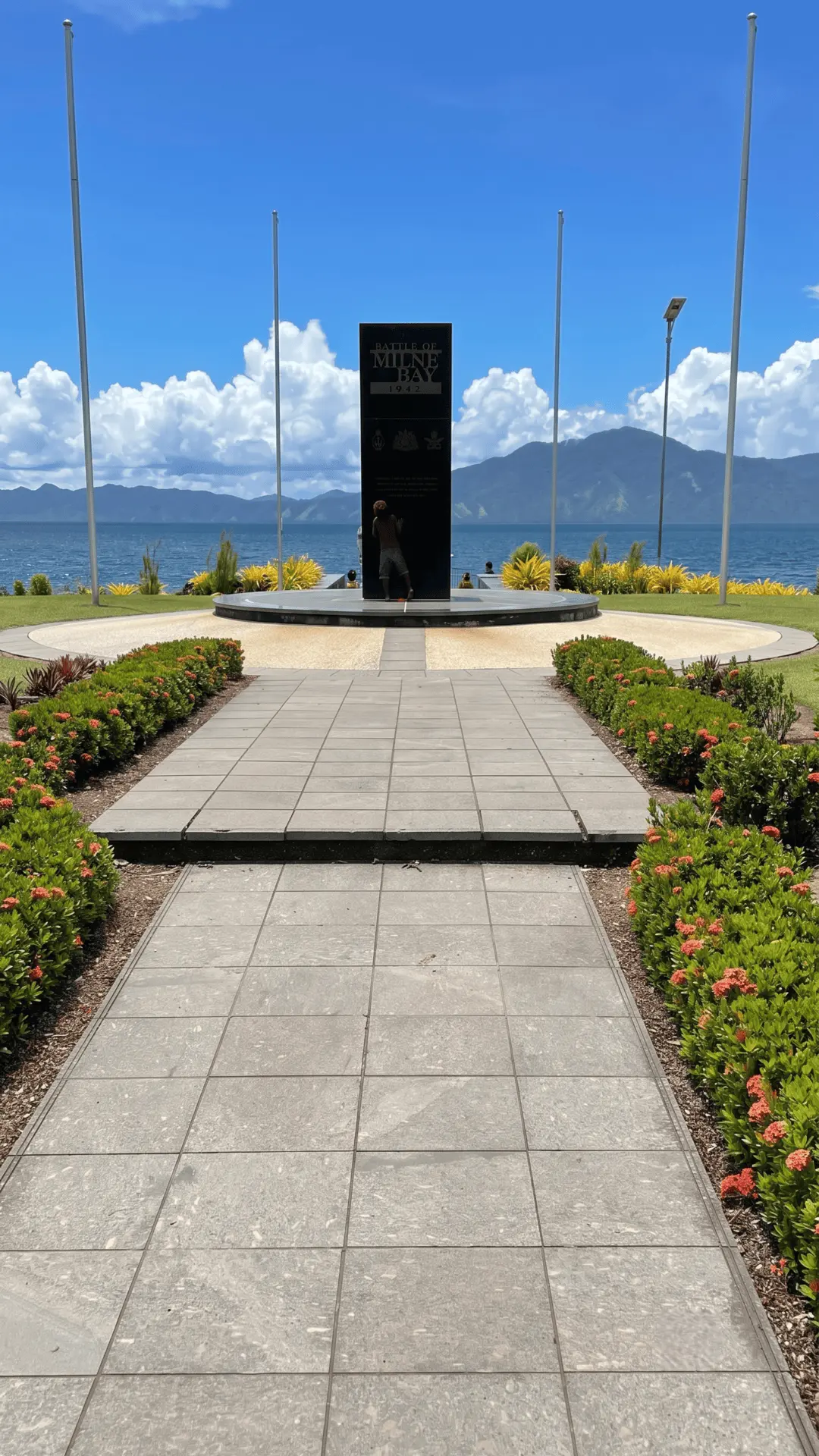
Tip: Ask your hotel to arrange a local guide for 50-80 PGK ($13-21 USD). Their personal stories and knowledge of specific battle locations added depth I couldn’t get from plaques alone.
Milne Bay Waterfront & Local Markets → Free to browse
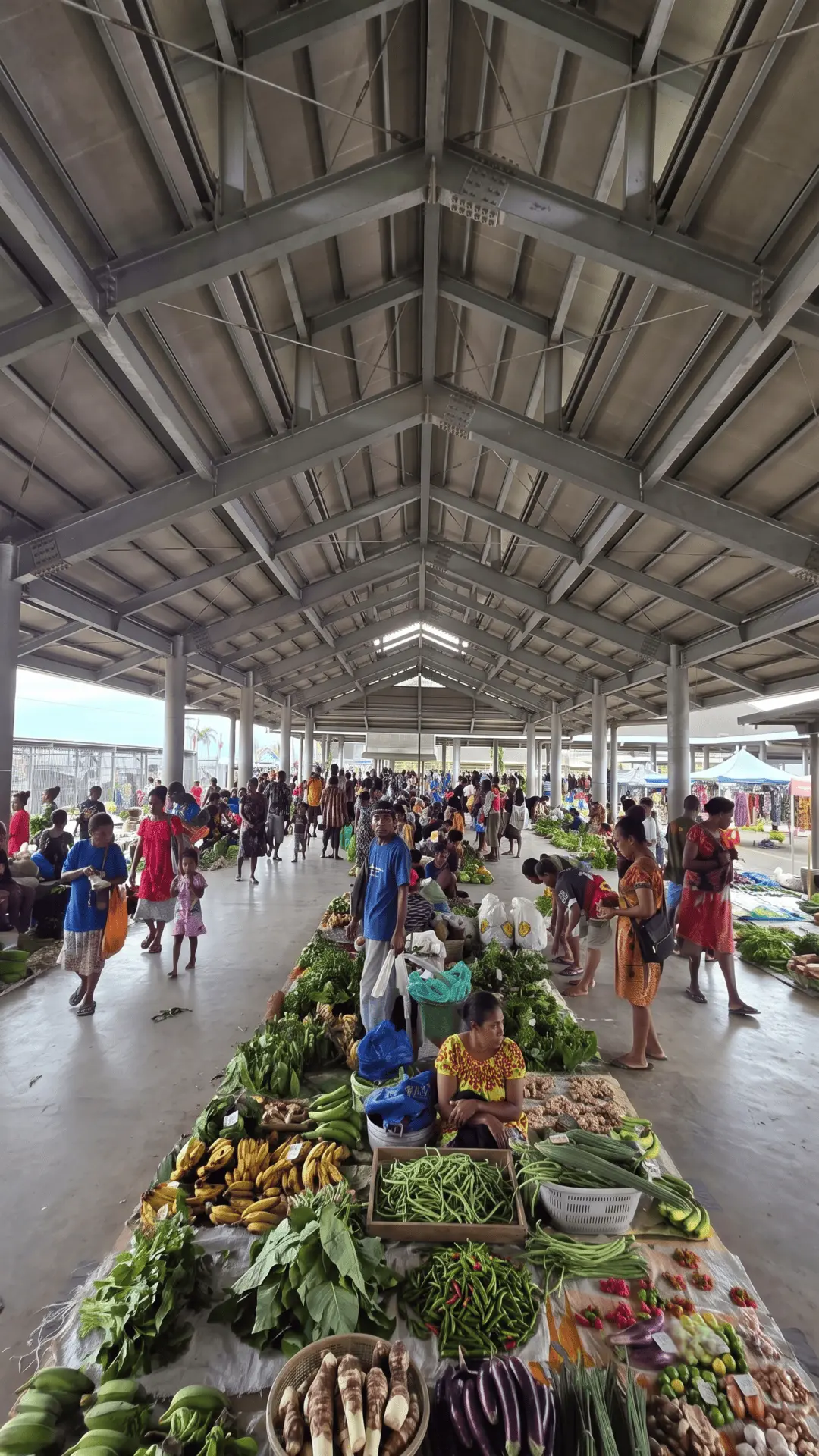
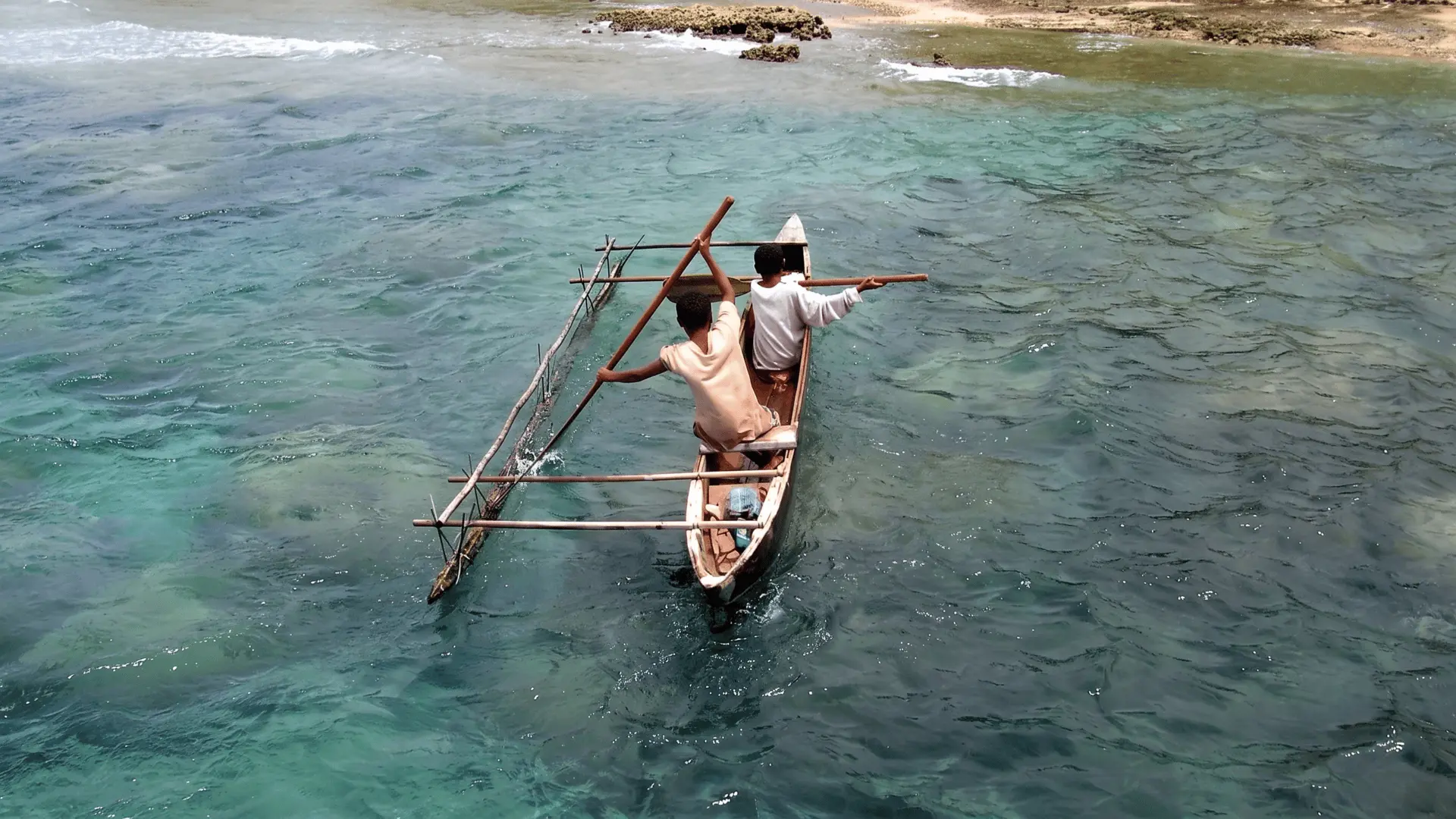
I woke up at 6 AM on my second day and walked to the waterfront market. Fishermen were unloading their overnight catch — tuna, reef fish, and some species I couldn’t identify. Women sold betel nut, fresh produce, and handmade baskets. I bought a bag of local bananas for 5 PGK ($1.30 USD) and sat on a bench watching the harbor come to life. This is where Alotau’s pulse beats strongest.
Snorkeling at Loloata Island → 100-150 PGK ($27-40 USD) for boat transfer
The coral reefs around Milne Bay are legendary among divers, but as a budget traveler, I opted for snorkeling instead. A local boat operator took me to Loloata Island for a half-day trip. The water was crystal clear, and I saw more colorful fish in one hour than I’d seen in my entire life. The biodiversity here is staggering — Milne Bay is considered one of the top diving destinations in the world, and even from the surface, I could see why.
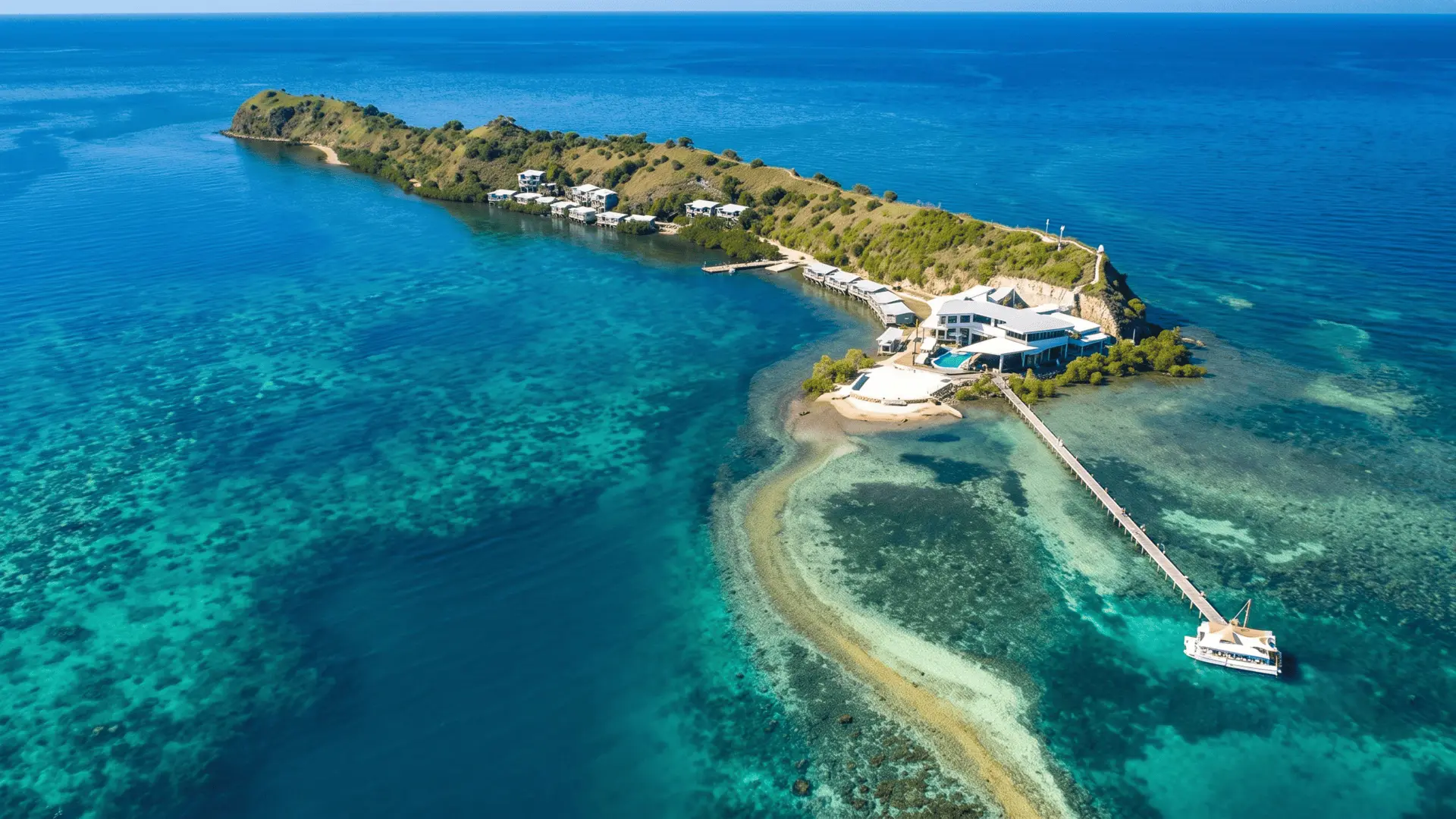
Tip: Bring your own snorkel gear if you have it. Rental equipment is available but often worn and ill-fitting.
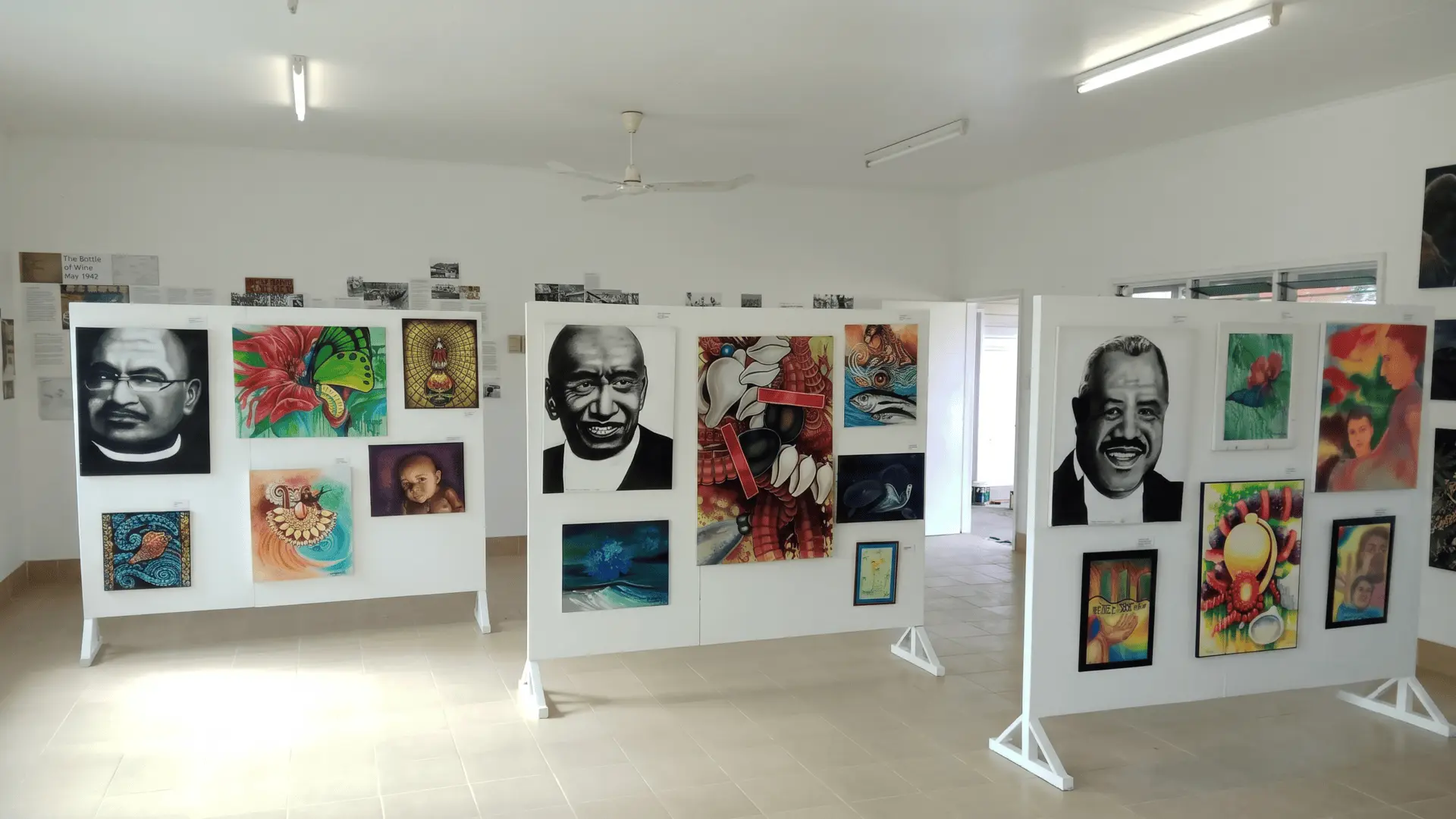
Massim Museum → 20 PGK ($5 USD) entry
This small museum houses artifacts from the Battle of Milne Bay, traditional cultural items, and exhibits on local wildlife. It’s not huge — I spent about 45 minutes inside — but it provided crucial context for everything else I was seeing. The WWII section included photographs, weapons, and personal items from soldiers on both sides.
Hiking the Coastal Trails → Free
I asked a local about hiking options, and he pointed me toward trails that wind along the coastline north of town. I spent an afternoon walking through villages, past coconut plantations, and along beaches where I was the only person for miles. Kids waved, dogs barked, and the scenery was postcard-perfect. This was my favorite day in Alotau — unstructured, free, and deeply authentic.

Where I Ate: Local Flavors on a Budget
Food in Alotau ranges from “surprisingly good” to “truly challenging.” Here’s where I found the sweet spot between taste, safety, and budget:
Waterfront Market Stalls → 10-25 PGK ($2.70-6.70 USD) per meal
I ate most of my breakfasts and lunches from market vendors. Fresh grilled fish with rice and greens cost me 15 PGK ($4 USD). A plate of kaukau (sweet potato) with tinned fish was 10 PGK ($2.70 USD). I also tried sago pancakes, a local staple made from the sago palm — they’re dense, slightly sweet, and filling. Always watch your food being cooked, and stick to vendors with high turnover.
Sit-Down Restaurants:
- The Reef Restaurant (Milne Bay Hotel): 40-70 PGK ($11-19 USD) per meal — I had the grilled barramundi with vegetables. Fresh, well-prepared, and the best meal I had in town. The restaurant overlooks the harbor, making sunset dinners particularly special.
- China Wok: 25-40 PGK ($6.70-11 USD) per meal — Standard Chinese-PNG fusion fare. I ordered sweet and sour chicken with rice. Nothing fancy, but hot, filling, and reliable when I needed a safe option.
- Local Kai Bars (food stalls): 15-30 PGK ($4-8 USD) per meal — “Kai” means food in Tok Pisin. These small roadside stalls serve rice, tinned fish or meat, and steamed greens. It’s basic sustenance, but it’s cheap and gives you a real taste of how locals eat daily.
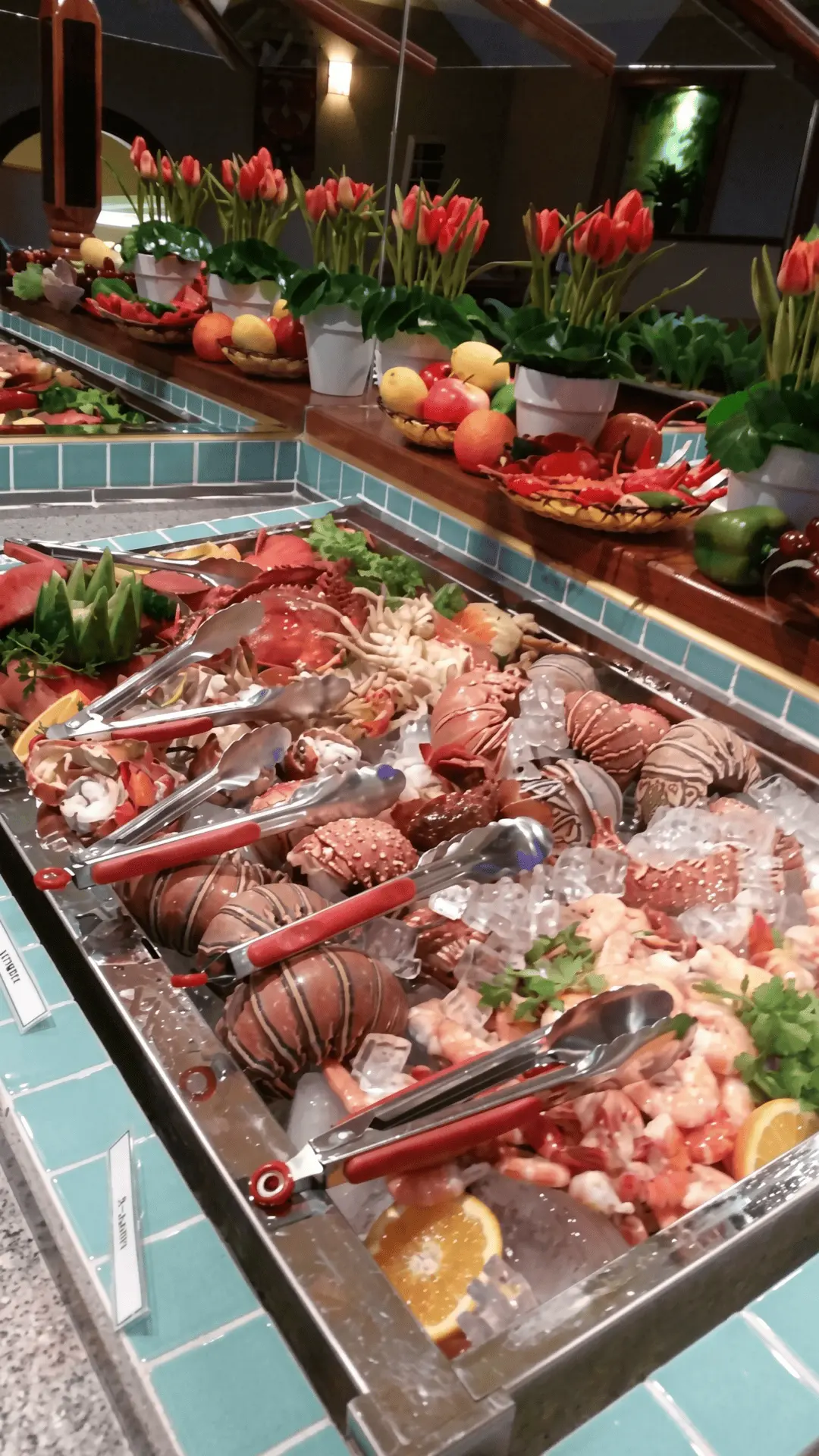
My budget eating rule: I ate my biggest meal at lunch when markets were freshest, kept dinners simple, and always carried water purification tablets to avoid buying expensive bottled water. I also bought local fruit — bananas, papayas, and coconuts — for snacks. A fresh coconut from a roadside vendor cost 3 PGK ($0.80 USD) and kept me hydrated for hours.
Getting Around Alotau: My Transportation Strategy
Alotau is small enough to walk, but the tropical heat and humidity make long walks exhausting. Here’s how I navigated:
PMVs (Public Motor Vehicles) → 2-5 PGK ($0.53-1.30 USD) per ride
These converted trucks are the backbone of local transport. I used them to get from my hotel to the WWII sites and to reach trailheads outside town. You flag them down on the main road, pay the driver when you get in, and hop off when you reach your destination. They’re cheap but crowded, and schedules are… flexible.
Taxis → 15-30 PGK ($4-8 USD) for short trips
Taxis in Alotau don’t use meters. You negotiate the fare before getting in. I always asked my hotel what a fair price should be before hailing a cab. A ride from town to the airport cost me 25 PGK ($6.70 USD), which my hotel confirmed was reasonable.
Walking → Free
Within the town center, I walked everywhere. The waterfront, markets, museum, and my hotel were all within a 15-minute walk of each other. I just avoided walking alone after dark and kept my belongings secure.
Pro tip: Learn a few words of Tok Pisin. Saying “tenkyu” (thank you) and “monin” (good morning) to PMV drivers and vendors opened doors and often got me better prices. Locals appreciated the effort, even if my pronunciation was terrible.
Money-Saving Hacks I Swear By
Alotau isn’t cheap, but these strategies helped me stretch every kina:
I withdrew cash in Port Moresby before flying to Alotau. ATMs in Alotau are limited, and I heard stories of machines running out of cash or being offline. I brought 500 PGK ($133 USD) in mixed denominations, which covered three days comfortably.
I booked accommodation with breakfast included. That morning meal saved me 15-20 PGK daily and meant I could skip lunch or eat lighter. The Milne Bay Hotel’s breakfast was substantial enough that I didn’t need to eat again until late afternoon.
I negotiated everything respectfully. Taxi fares, boat transfers, even some guesthouse rates — nothing was fixed. I’d ask “How much?” then counter with about 70% of their quote. Most drivers and operators expected this dance. The key was staying friendly and walking away if the price felt unfair. There’s always another taxi.

I brought my own water purification tablets. Bottled water costs 3-5 PGK per bottle, and I go through at least three a day in that heat. My purification tablets cost me 20 PGK for a pack that lasted my entire PNG trip. I filled up from taps at my hotel and purified it myself.
I traveled with a group for boat trips. When I wanted to visit Loloata Island for snorkeling, I asked my hotel to connect me with other travelers. We split the boat cost four ways, bringing my price down from 150 PGK to about 40 PGK. Solo travel doesn’t mean you have to pay solo prices.
I avoided the tourist traps near the airport. Vendors there charge double what the town market does. I waited until I reached central Alotau to buy souvenirs and snacks.
Quick FAQ — Alotau for Budget Travelers
Is Alotau safe for solo travelers?
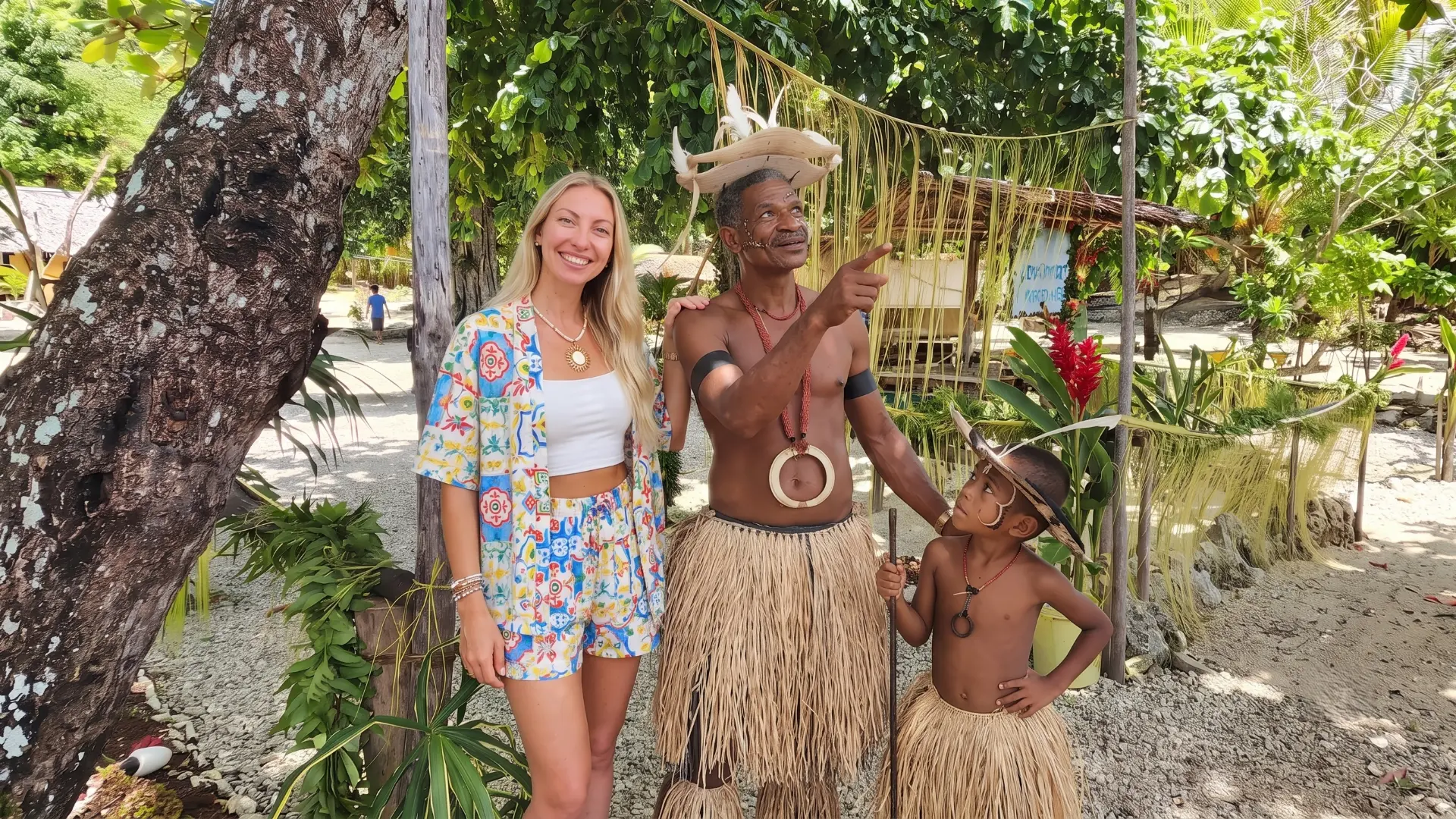
In my experience, yes — with standard precautions. I’m a solo female traveler who’s been backpacking since age 22, and I felt safe in Alotau during daylight hours. I didn’t walk alone after dark, kept my belongings secure, and stayed aware of my surroundings. Violent crime against tourists is rare, but petty theft can happen. Use common sense and trust your instincts.
What is the best time to visit Alotau?
The dry season (May to October) offers the best weather for an alotau papua new guinea day trip or longer visit. I visited in March 2026, which is the tail end of the wet season. I experienced afternoon rain showers but also fewer tourists and lower accommodation rates. If you want to attend the Alotau Canoe and Kundu Festival, plan for November.
How much does a day in Alotau cost on a budget?
On a tight budget, expect to spend 250-350 PGK ($67-93 USD) per day, including basic accommodation, local food, PMV transport, and free activities. If you want to include paid activities like snorkeling or guided tours, budget 400-500 PGK ($107-133 USD) daily.
Do I need a visa to visit Papua New Guinea?
Yes, most nationalities require a visa. I applied online through the official Papua New Guinea Immigration & Citizenship Authority website. The tourist visa cost 100 PGK ($27 USD) and took five business days to process. [Official source: Papua New Guinea Immigration & Citizenship Authority]
What currency is used in Papua New Guinea?
Papua New Guinea uses the Papua New Guinean Kina (PGK). As of March 2026, the exchange rate was approximately 1 USD = 3.75 PGK. I withdrew cash from ATMs in Port Moresby before traveling to Alotau, as ATM availability in Milne Bay Province is limited.
Can I visit Alotau as a day trip from Port Moresby?
Technically yes, but I don’t recommend it. The flight is only 45 minutes, but you’d need to account for airport transfers, potential delays, and the fact that Alotau’s attractions are spread out. I spent three days here and still felt rushed. If you’re doing an Alotau Papua New Guinea day trip, you’ll only scratch the surface.
Daily Budget Summary Table
| Category | Budget Option | Mid-Range Option |
|---|---|---|
| Accommodation | 150–200 PGK/night ($40–53 USD) | 280–350 PGK/night ($75–93 USD) |
| Food | 30–50 PGK/day ($8–13 USD) | 80–120 PGK/day ($21–32 USD) |
| Transport | 10–20 PGK/day ($2.70–5.30 USD) | 40–60 PGK/day ($11–16 USD) |
| Activities | 0–30 PGK/day (Free hiking, markets) | 100–150 PGK/day (Snorkeling, tours) |
| Daily Total | ~190–300 PGK/day ($51–80 USD) | ~500–680 PGK/day ($133–181 USD) |
Prices based on my visit in March 2026. Always verify current rates.
Final Thoughts
Alotau isn’t easy. It’s not polished. It won’t cater to your every whim or provide Instagram-perfect backdrops on demand. But that’s precisely why I fell for it.
This town in southeastern Papua New Guinea gave me something increasingly rare in modern travel: authenticity. I stood on ground that changed the course of World War II. I shared bananas with market vendors who spoke three languages and had never left Milne Bay Province. I snorkeled in waters so clear they looked like glass. I walked coastal trails where the only footprints were mine and the local kids who ran alongside me, laughing at my clumsy attempts at Tok Pisin.
As someone who’s been traveling solo since I was 22, visiting 40+ countries across six continents, I’ve learned that the places that challenge you often reward you the most. Alotau challenged me — with its heat, its logistics, its language barriers, its rustic infrastructure. But it also rewarded me with moments I’ll carry forever.
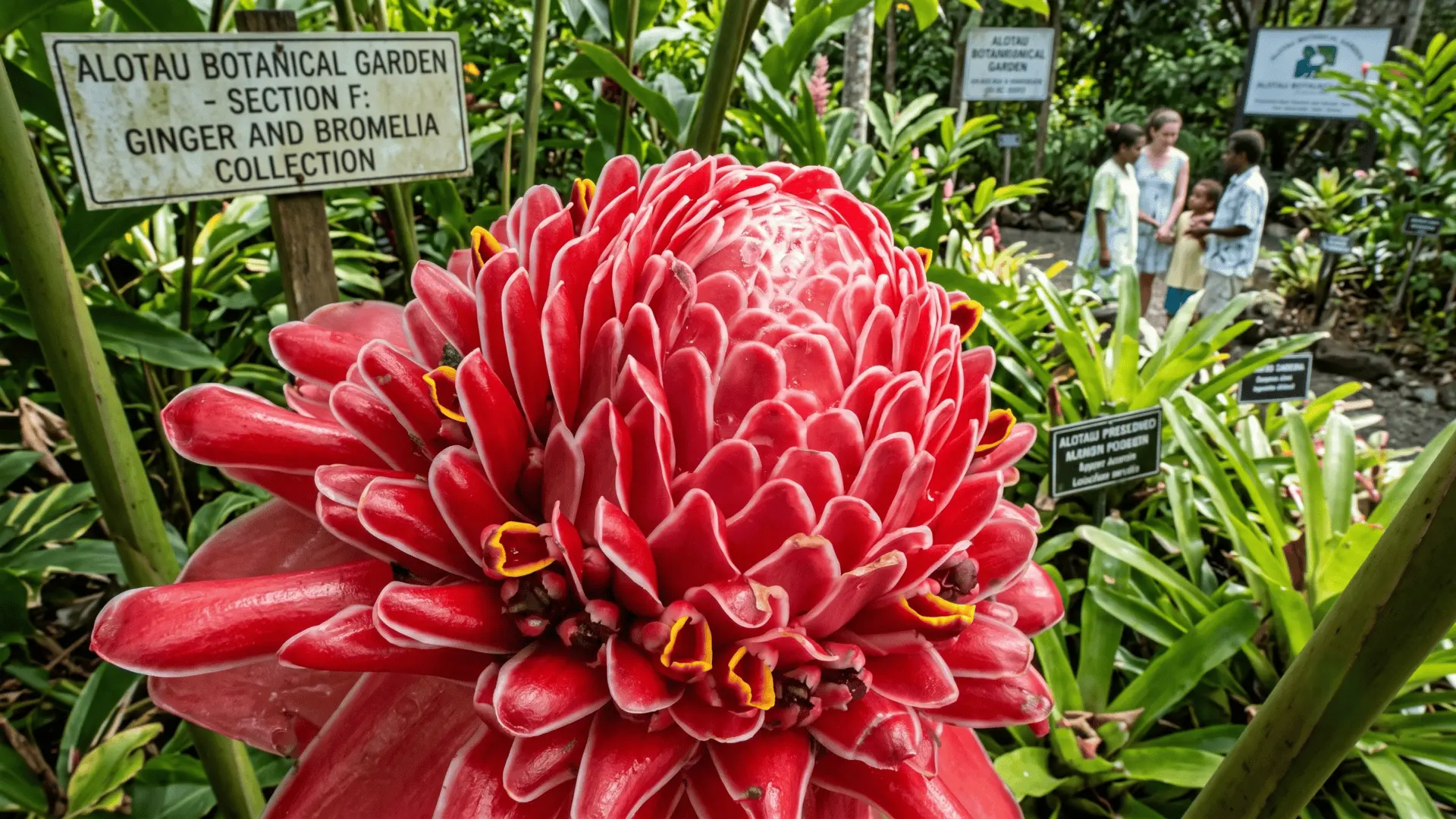
Is an Alotau Papua New Guinea day trip worth it? If you’re looking for luxury and convenience, no. But if you’re looking for real, unfiltered Papua New Guinea — if you want to stand where history was made, swim in world-class reefs, and connect with a culture that remains vibrantly intact — then yes. Absolutely.
Have questions about visiting Alotau on a budget? Drop them in the comments below. I’m happy to share specific guesthouse contacts, PMV route details, or my exact snorkeling spot coordinates. This place deserves more thoughtful travelers, and I’m here to help you join them.
Save this guide, share it with your travel companion, and pack your sense of adventure. I’ll see you in Alotau.