I spent eight nights in Sintra, and I’d honestly go back for a month. I said it. Before I even landed in Portugal, Sintra was the place I kept returning to in my daydreams—more than Lisbon, Porto, Aveiro, or the coastal towns I had mapped out. Why? One word: nature. Look at a satellite map and you’ll see it instantly: Sintra is practically swallowed by green. It sits right on the edge of Sintra-Cascais Natural Park, and if you know me, you know I chase landscapes like other people chase landmarks. I’ve spoken to dozens of travelers since my trip, and every single one echoed the same thing: “I wish I’d stayed longer.” So I wrote this guide to help you get it right, skip the rushed day-trip trap, and actually breathe this place in.
Getting There & Getting Around
Sintra is ridiculously easy to reach. I take the Comboios de Portugal train from Lisbon’s Rossio station. It’s a smooth 40-minute ride, leaves roughly every 20 minutes, and costs just €2.30–€2.50 each way. If you prefer buses, Scotturb and regional operators run frequent routes from Lisbon for similar prices.
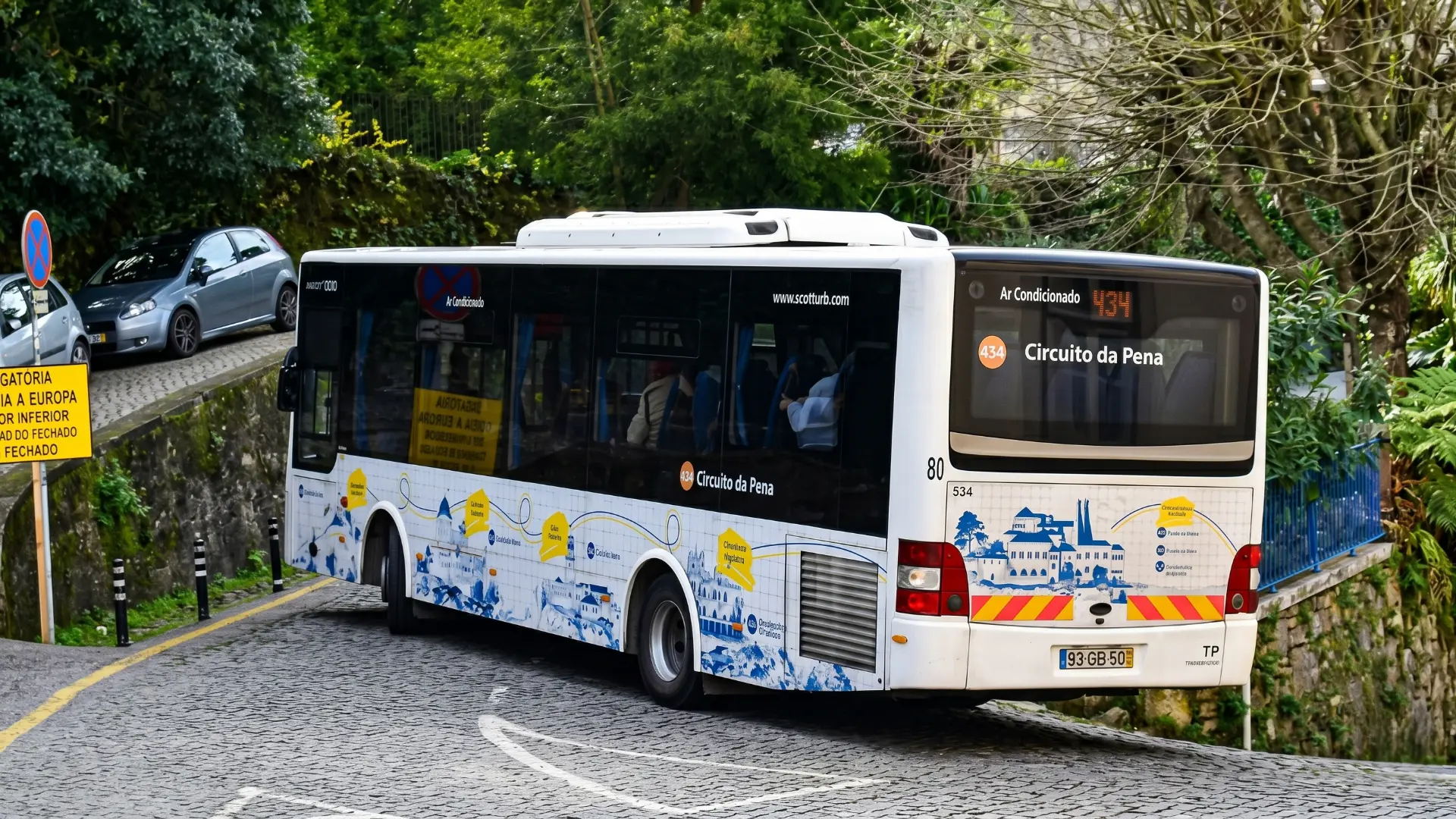
Once you’re in town, the historic center is highly walkable, but Sintra climbs a mountainside fast. I use the local tuk-tuks for steep hops (they’re surprisingly affordable and usually happy to split fares), and I grab a day pass for the 434 tourist circuit if I’m hitting Pena Palace, the Moorish Castle, and looping back. Taxis and rideshares fill in the gaps, but honestly, comfortable shoes and a willingness to walk uphill are your real tickets to this place.
Best Time to Visit & What to Expect Weather-Wise
I’ve visited in shoulder season and peak summer, and Sintra’s elevation keeps it a few degrees cooler than Lisbon year-round. Spring (April–May) and autumn (September–October) are my sweet spots: fewer crowds, golden light for photography, and mild temps. Summer brings heat, humidity, and long palace lines, but it’s totally manageable if you book first-entry tickets. Winter (November–March) is quiet, misty, and beautifully atmospheric, though you’ll want a proper rain jacket. I always pack layers—Atlantic winds sweep through the hills, and the temperature drops fast once the sun dips behind the castle walls.
The Must-See Palaces & Hidden Gardens
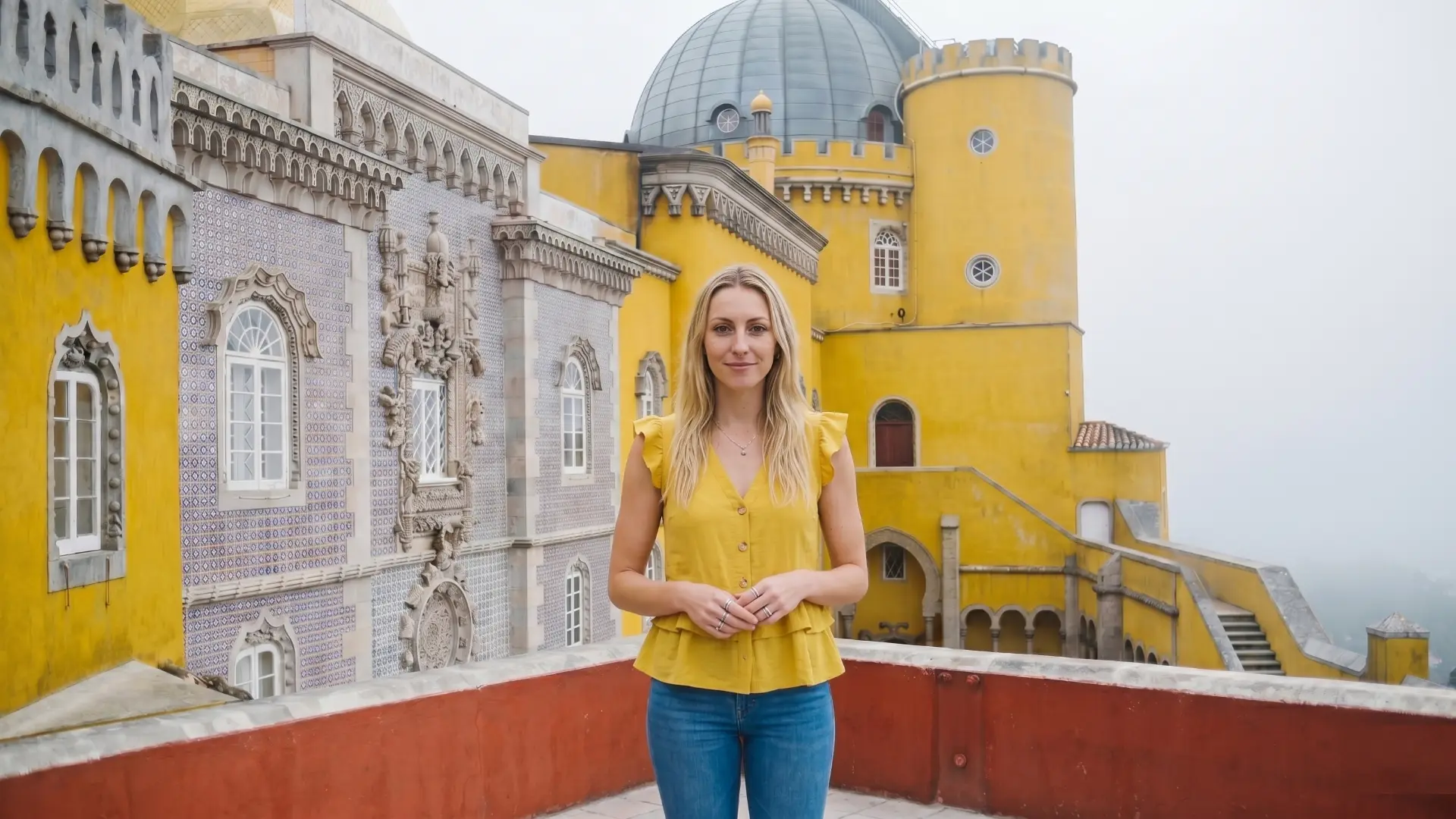
Pena Palace & Its Endless Forest Trails – Even if you’ve never been to Portugal, you’ve seen Pena. The yellow, red, and blue Romanticist exterior looks ripped from a storybook, but the real magic is the grounds. I almost skipped the interior to save a few euros, but I’m so glad I paid the extra ~€2. The rooms are a visual feast of Neo-Islamic, Neo-Gothic, and Neo-Manueline styles, and the trompe-l’œil painted doorways literally blew my mind. But the true highlight? The forested trails. They’re barely marked, wildly overgrown in the best way, and you can wander for hours without crossing the same path twice. I spent half a day just getting lost among ferns Ferdinand II imported from across the globe. Note: Timed tickets now sell out days in advance. Book online. Most visitors stick to the terrace. Don’t be most visitors.
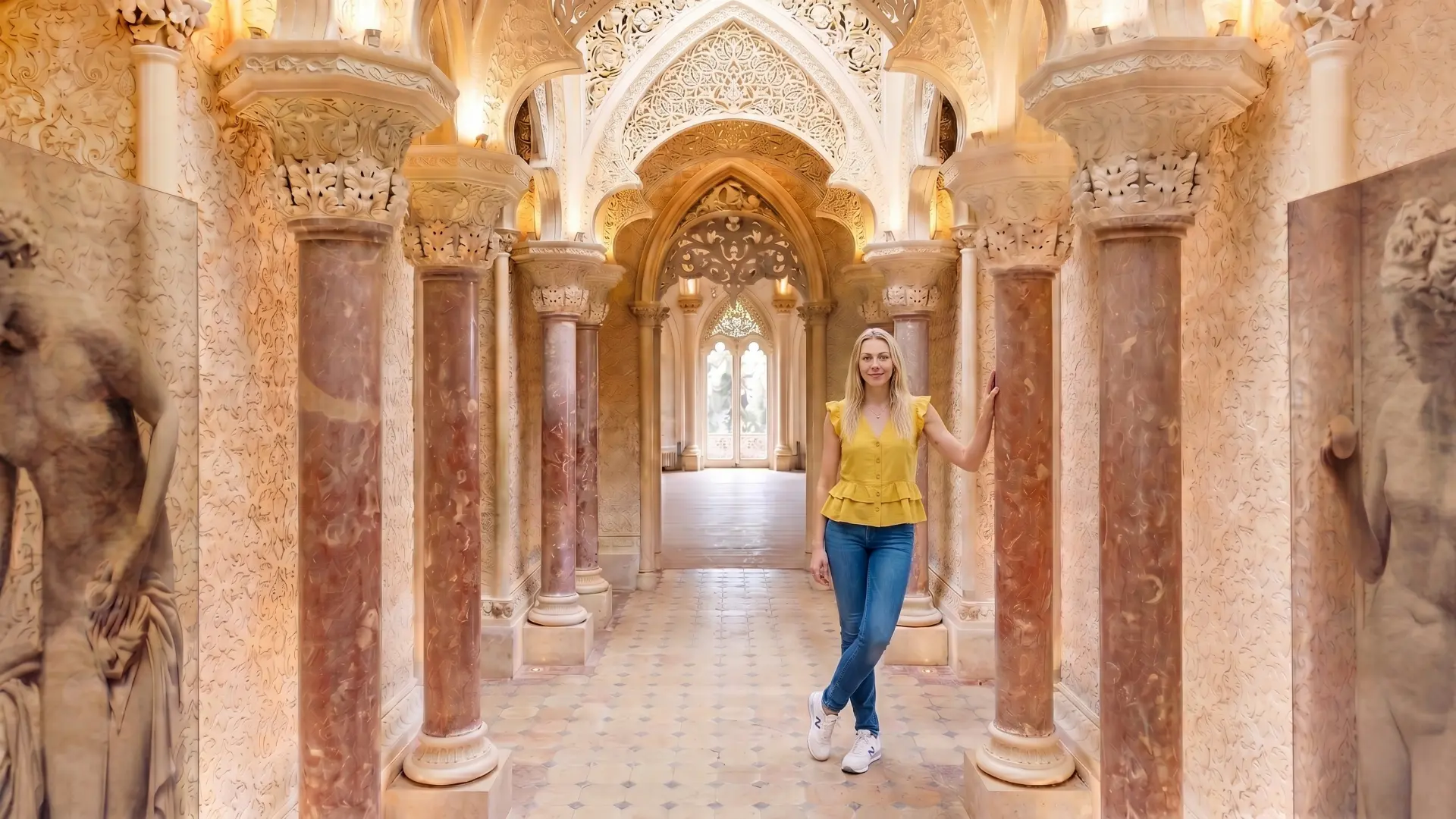
Palace of Monserrate – If Pena feels overwhelming, Monserrate is the perfect counterpoint. It’s smaller, quieter, and equally stunning. The interior boasts two long colonnaded corridors opening into a soaring central room with an intricately carved ceiling. Outside, the botanical gardens are a global plant archive. I walked through the “Mexican Garden” with agave plants wider than a dining table, then ducked into fern groves that rival Pena’s. Tickets run ~€8, and it’s less crowded, easier to navigate, and perfect if you want romance without the rush.
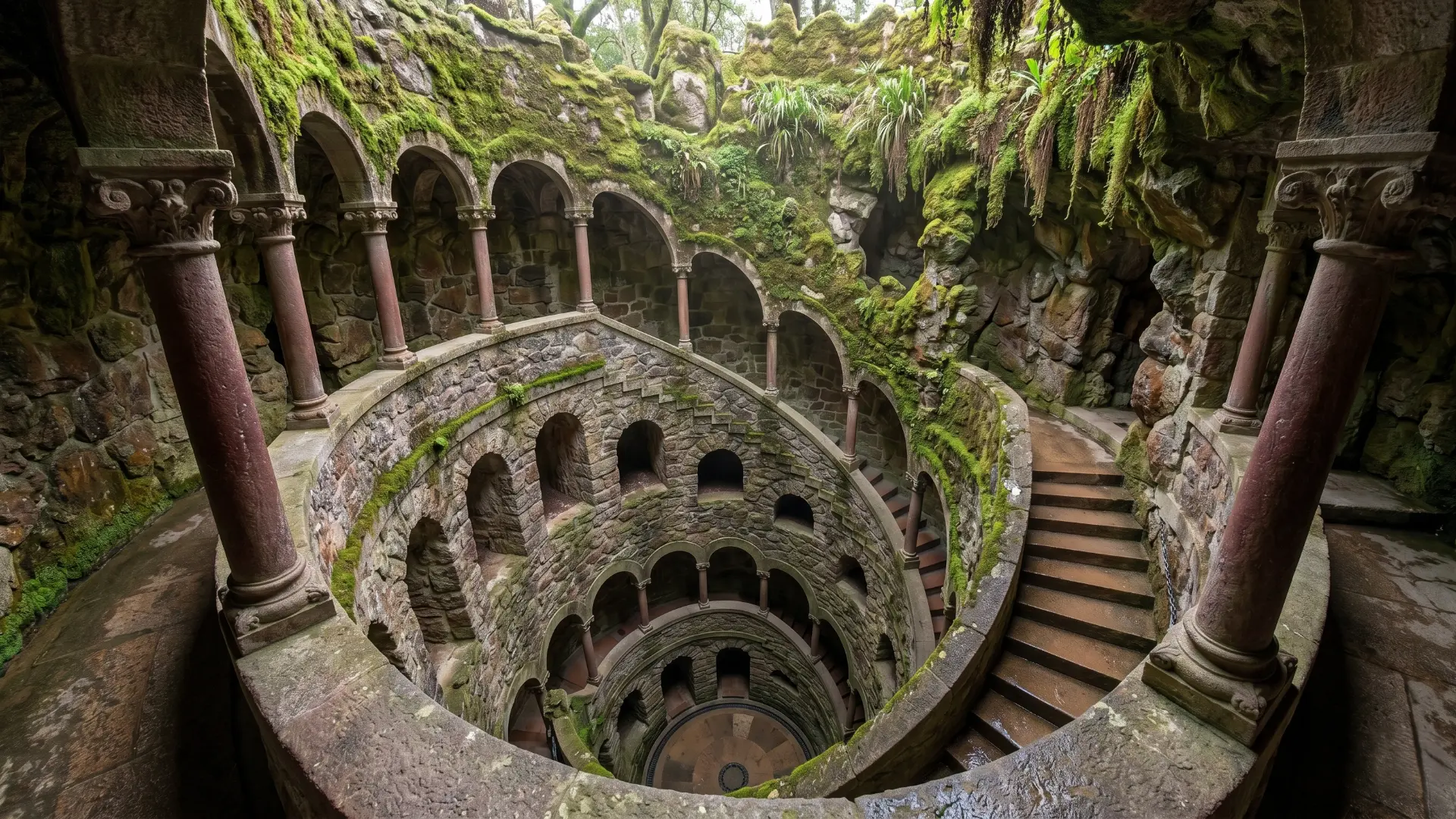
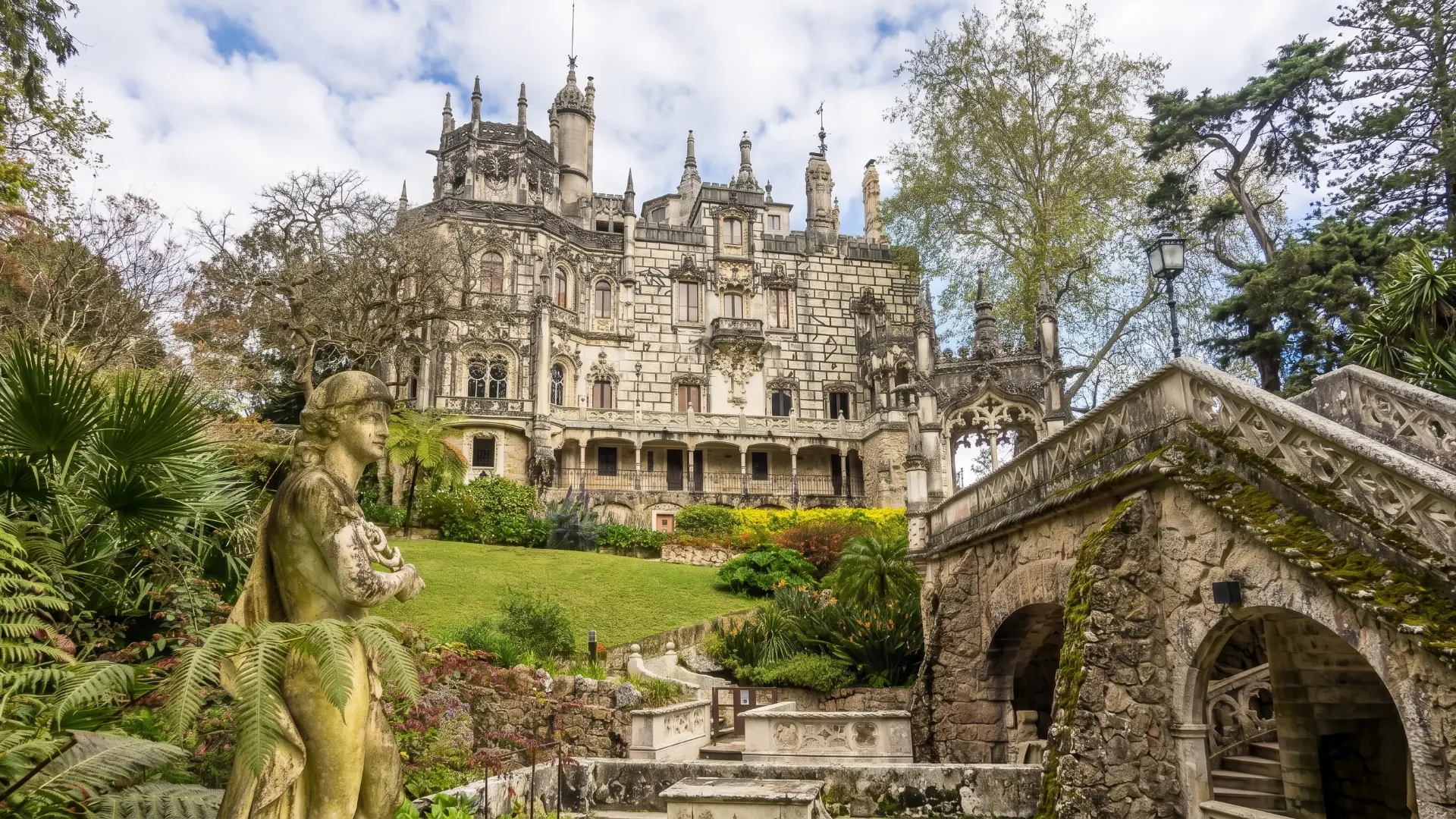
Quinta da Regaleira & The Initiation Well – Just a short walk from the old town, this estate feels like a secret society’s playground. The real draw is the Initiation Well—an 80-foot-deep inverted tower carved with esoteric symbols. It’s a one-way descent, and crowds move steadily, so I always arrive right at opening for unobstructed photos. The grounds are packed with hidden grottos, underground tunnels, and water features. I budgeted 2–3 hours here and barely scratched the surface. Adult tickets run ~€12.
Sintra National Palace & The Moorish Castle – The Palácio Nacional de Sintra is Portugal’s oldest royal residence, and its twin chimneys are iconic. It’s compact, right in town, and worth the ~€13 entry for the Mudéjar ceilings and historic kitchens. For something wilder, I hiked up through Vila Sassetti Park (free, gorgeous, and full of hidden paths) to the Castelo dos Mouros. The ruins are nearly 1,000 years old, the wind is fierce, and the views stretch from Pena Palace to the Atlantic. Entry is ~€10, and an hour is plenty. Bring a light jacket.
Hiking, The Coast & Quiet Nature Spots
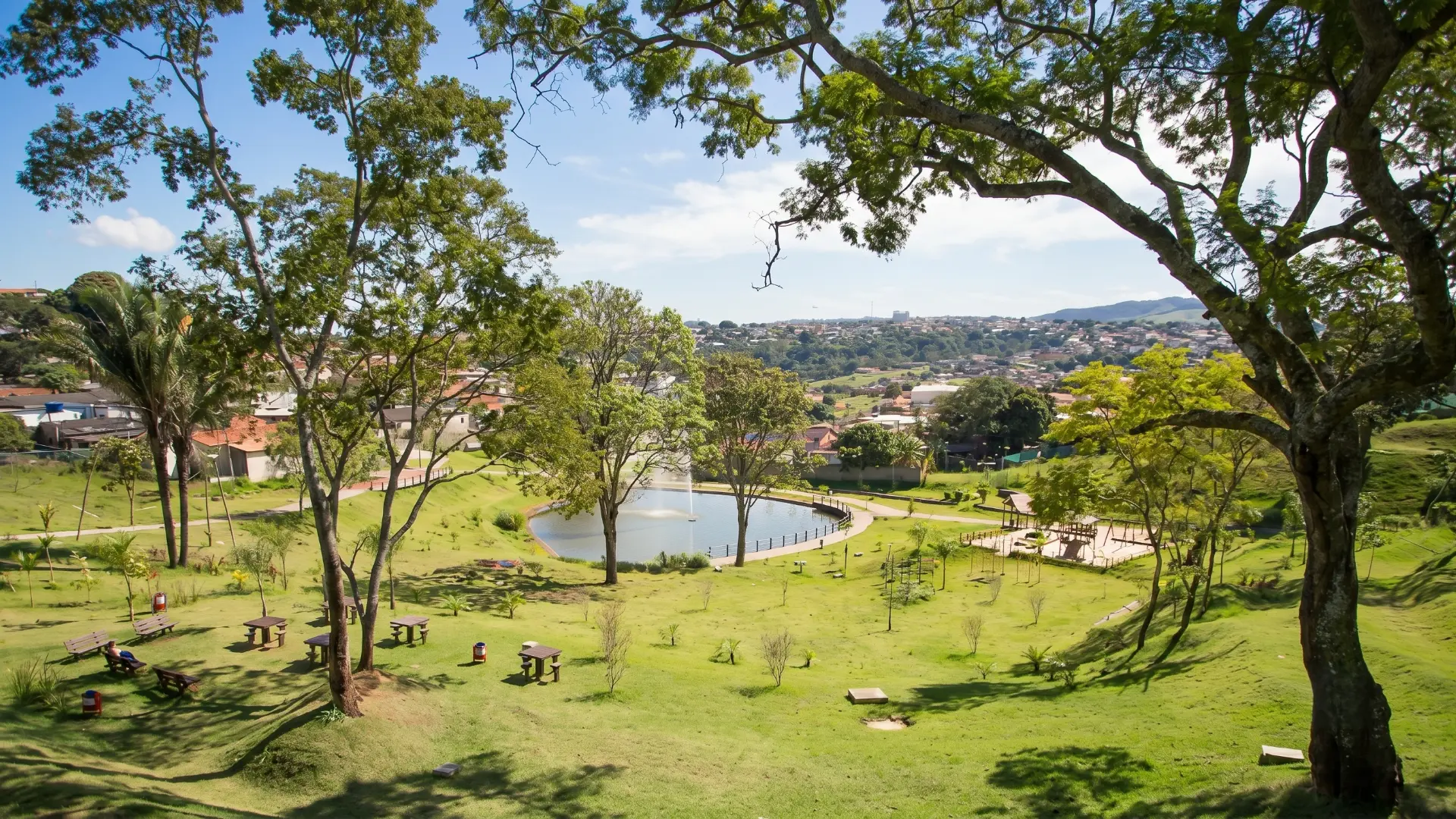
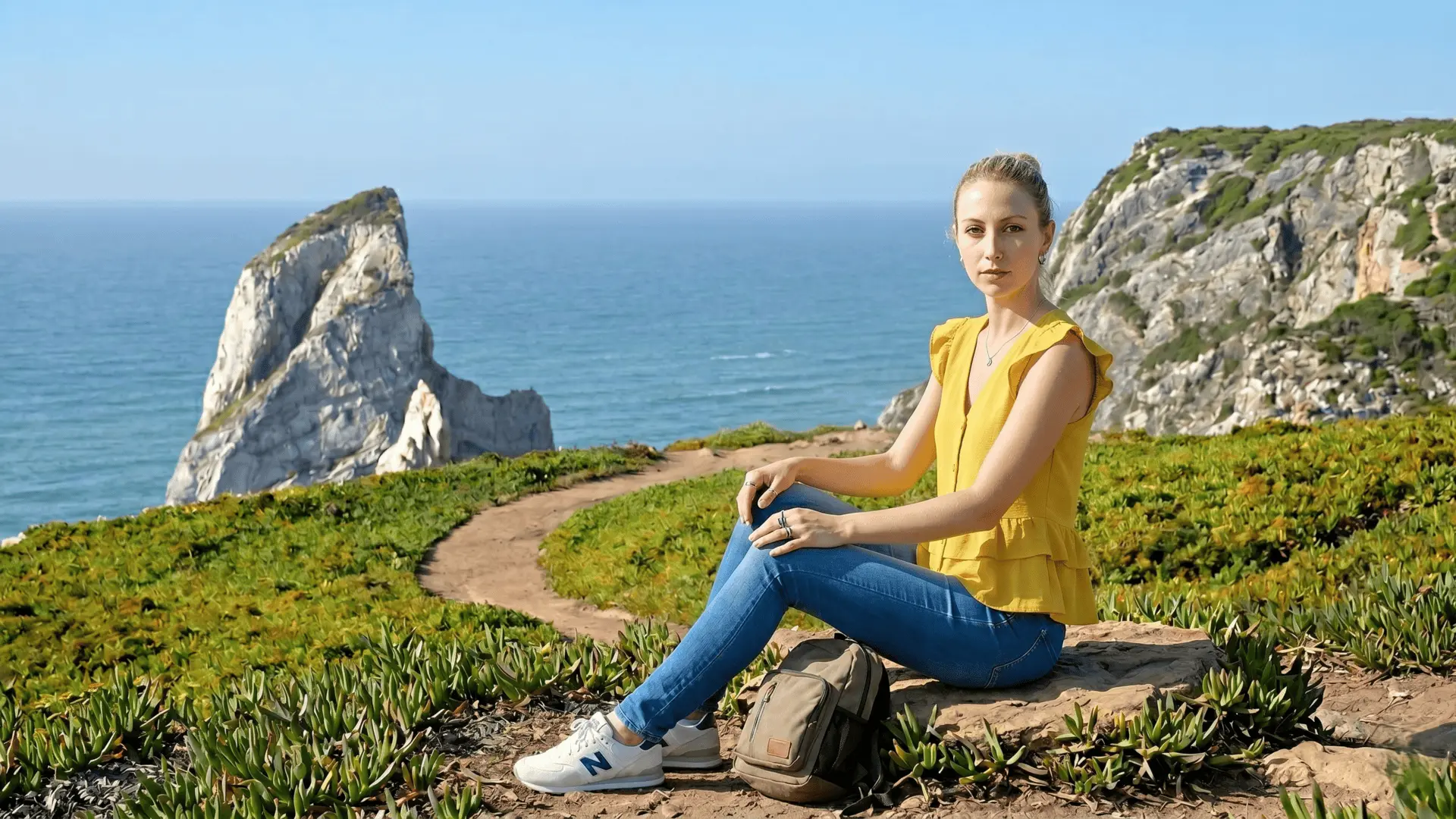
Sintra-Cascais Natural Park is the reason I fell in love with this place. Dozens of marked trails cut through pine forests, granite boulders, and coastal cliffs. I met hikers who turned the trek to Cabo da Roca (where “the land ends and the sea begins”) into a full-day adventure, but you can also catch a quick bus to Cascais for surf, salty air, and sunset views over the Atlantic. If long treks aren’t your style, Parque da Liberdade in the center of town offers a compact, beautifully manicured botanical escape—perfect for slower days or travelers with mobility limits.
Where I Ate, Drank & Shopped
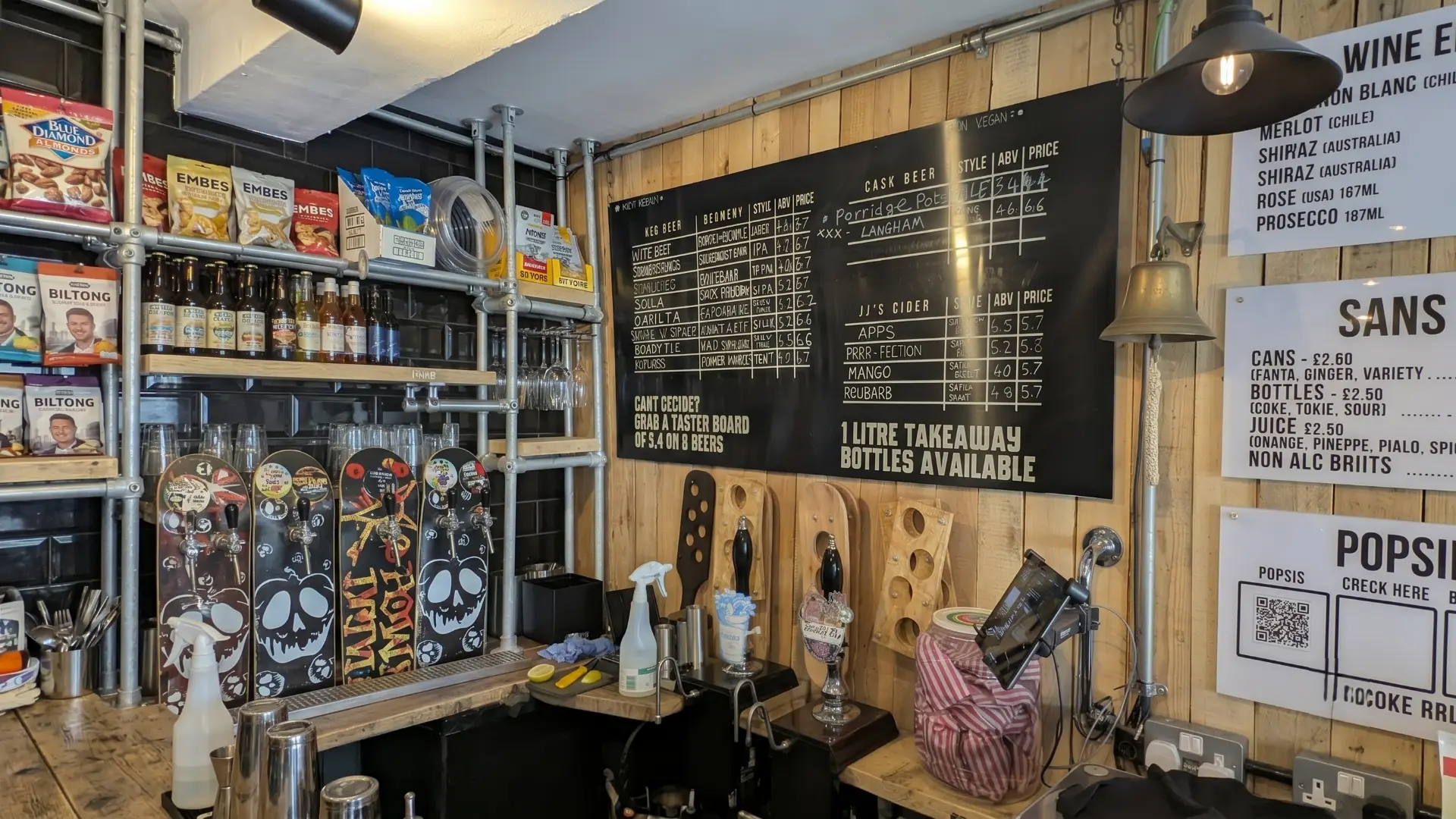
I’m not a sit-down restaurant purist in Sintra. I follow the locals to snack spots, weekend markets, and tiny tucked-away joints. My favorite find? Villa Craft Beer & Bread. It’s a small, unpretentious brewery off a quiet side street, and sipping a fresh tap pint there felt like stumbling into a local secret. For meals, I stick to family-run spots where a solid lunch runs €7–12, a glass of good table wine or draft beer is ~€2, and the portions actually satisfy.
I also hit the weekend artisan markets near Parque da Liberdade—great for fresh pastries, handmade ceramics, and chatting with makers. Cash is still king at the smallest stalls, so I always carry a few euros. If a menu is only in English with glossy photos, I walk a block further. The real food lives where the locals queue.
My Budget Breakdown & Where I Stayed
Portugal is Western Europe’s best value, and Sintra keeps that reputation intact. I averaged $50–60/day, including accommodation, food, transit, and entry fees. Hostels here are limited but excellent. I stayed in a cozy B&B-hostel hybrid for under €20/night. The three-bed dorms felt private, the wood fireplace made chilly evenings magical, and the homemade breakfast spread reset my travel fatigue. If you’re booking, expect €15–25 for a dorm bed and €45–75 for a private room. I always book direct when possible, skip Euronet ATMs, and use bank-affiliated machines to avoid extra fees.
Safety & Practical Tips I Swear By
I never once felt unsafe wandering Sintra’s alleys, day or night. That said, I keep my valuables zipped in crowded spots, avoid poorly lit shortcuts after dark, and always trust my gut. Pickpockets exist near train stations and palace queues, so a crossbody bag and situational awareness go a long way.

- Visa: Schengen Zone rules apply (90 days within 180 for most passport holders).
- Plugs: Type F (European two-pin), 230V.
- Money: Cards work almost everywhere, but I carry €20–40 in small bills for markets, tuk-tuks, and tiny cafés.
- Tipping: Not mandatory. I round up or leave €1–2 for great service.
- Water: Tap water is completely safe to drink.
- Solo Women Travel: Portugal is surely considered one of the safest destinations in entire the world for solo female travelers, specifically in Lisbon and big cities like Porto and Braga.
- LGBTQ+ Travel: Portugal ranks high on equality indices, and I saw zero friction—just open, welcoming vibes everywhere.
- Health: No special vaccines required for US travelers.
Final Thoughts
Sintra doesn’t just show you Portugal’s history; it lets you breathe it in. It’s in the damp pine scent on the trail to the Moorish Castle, the clink of a craft beer glass on a quiet side street, the dizzying drop down the Initiation Well, and the way the fog rolls over Pena Palace like a living thing. I went for eight nights to recharge, and I left with a notebook full of half-finished trails and a quiet promise to return. If you’re planning a trip, skip the rushed day-trip mentality. Give yourself time to wander, to get mildly lost, to sit on a stone step and watch the light change. Sintra rewards patience.
Have you mapped out your Sintra itinerary yet, or are you still deciding which palace to visit first? Drop your questions below—I’m always happy to share exact trail routes, my favorite hostel corners, or how to beat the Pena Palace queues. Save this guide, share it with your travel companion, and pack your most comfortable walking shoes. I’ll see you on the blue-tiled steps.