I’ve always believed the truest pulse of a country beats far from the tourist trail. After leaving Seville’s impressive Real Alcázar, I turned east and watched the landscape shift almost instantly. The coastal industrial edges melted into rolling hills, endless olive groves, and wide-open skies. This part of Andalusia doesn’t shout for attention. It simply exists, quiet and deeply rooted in centuries of history. And right in the heart of it sits Úbeda—a place I didn’t expect to linger in, but completely fell for.
A Border Town Reborn in Stone

To understand Úbeda, I had to step back to 711, when Islamic forces swept into the Iberian Peninsula. For nearly eight centuries, the south remained under Muslim rule, until Ferdinand and Isabella finally reclaimed Granada in 1492. Úbeda sits right on that old fault line. I learned it was reconquered by Castilian forces in 1233 and spent generations as a fortified border town between two worlds. That strategic position brought noble families wealth, royal court connections, and a fierce pride in its Christian identity. By the 16th century, that wealth transformed into limestone and marble. The richest families poured fortunes into Renaissance palaces and churches, creating a cityscape that feels almost plucked from Italy. Unlike Granada or Córdoba, I didn’t find heavy Islamic ornamentation here—just clean lines, symmetrical facades, and the quiet confidence of a town that knew it had arrived.
Why Úbeda Earned Its UNESCO Title
In 2003, UNESCO paired Úbeda with its neighbor Baeza as a World Heritage Site. Walking the old center at dusk, I understood exactly why. The medieval street grid, the preserved facades, the way evening light catches carved archways—it’s a living archive. I’ve always found it strange how travel works: I chase celebrated places, only to secretly hope I’m the only one standing in them. Úbeda lets me have that moment. After the day-trippers leave, the plazas empty, and it’s just me, my footsteps, and centuries of history.

How I Navigated the Old Town
The first thing I learned in Úbeda? I had to change my pace. Driving through the historic center is a lesson in humility. I only brought my car in to reach my hotel, and even then, I had to fold the side mirrors to squeeze through alleys that practically whispered, “Trade this metal box for a horse.” Luckily, much of the core is car-free anyway. Once I parked, I walked everywhere. Úbeda isn’t built for speed. I treat it like an open-air museum where the streets themselves are the exhibit, and wandering is the only real itinerary.

Where I Stayed
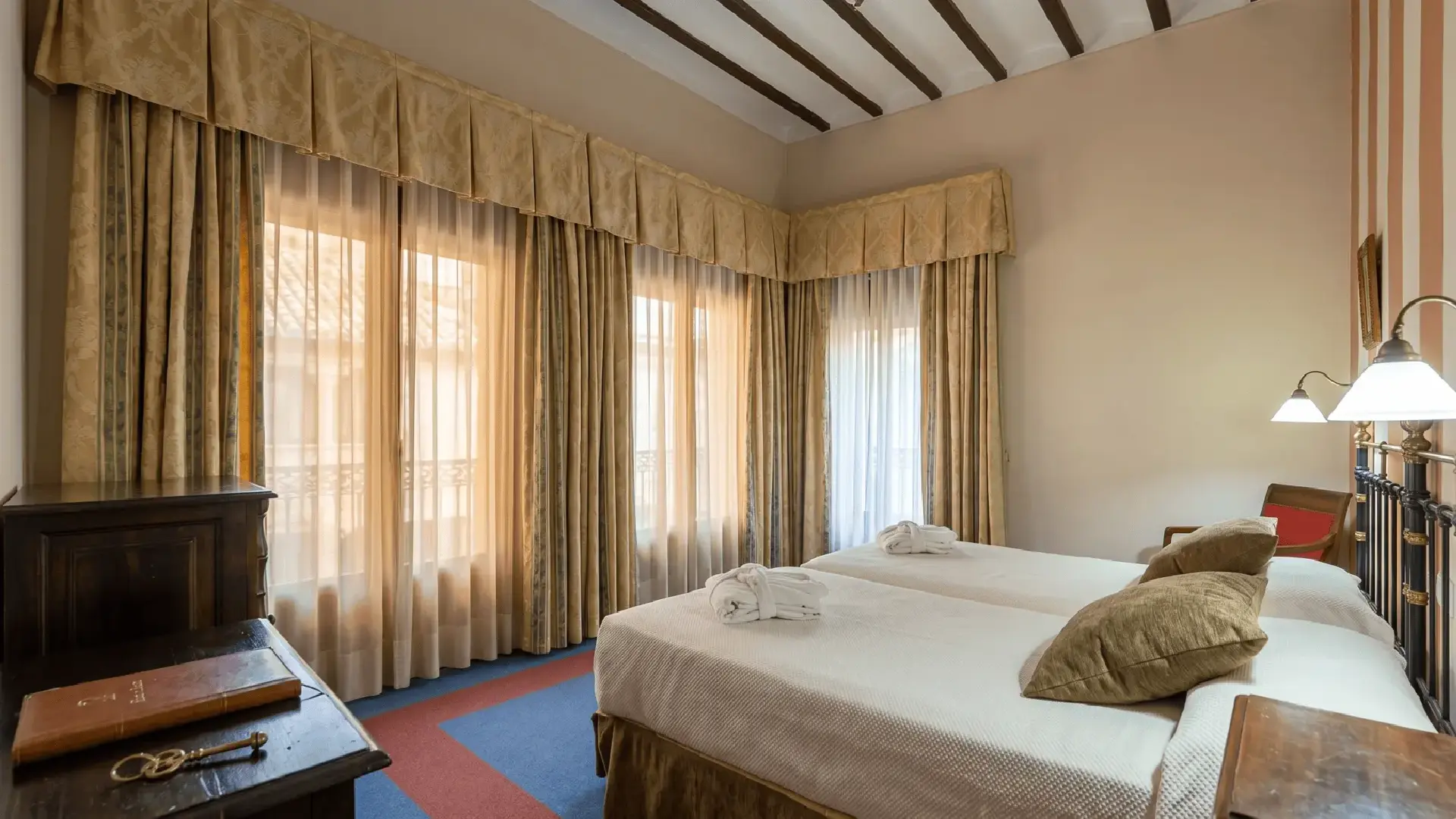
If I were to return, I’d book right inside the historic walls. Prices are remarkably reasonable compared to Seville or Granada, and the atmosphere is unmatched. I stayed at Hotel Alvar Fañezez for about $60 a night, and it felt like stepping into a restored 19th-century noble home. My room was cozy but spacious, blending traditional details with modern comforts. The staff welcomed me like family, the central courtyard was perfect for evening reads, and having a café-bar and restaurant on-site made mornings effortless. I’d book it again in a heartbeat.

Monuments That Stopped Me in My Tracks
Úbeda doesn’t hide its Renaissance treasures—they sit right at street level, waiting to be noticed.
- The Town Hall: On weekdays, I walked through the former palace of one of Úbeda’s most influential noblemen. The municipal building still carries that aristocratic weight, and stepping inside felt like crossing a threshold into the 1500s.
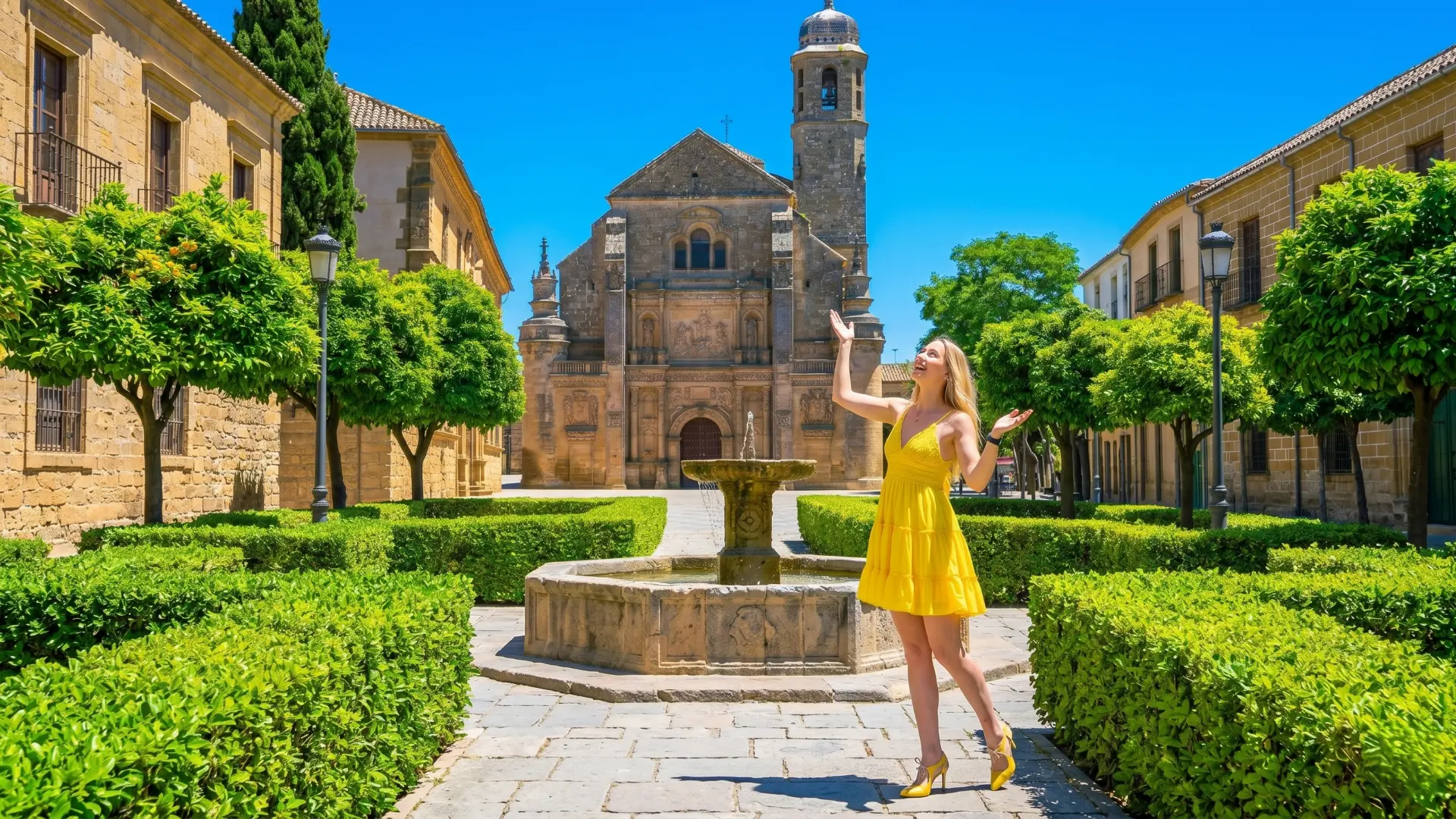
- Sacra Capilla del Salvador: Built during the city’s golden age, this chapel is pure Renaissance elegance. I spent nearly an hour here, tracing the carved stonework and letting the quiet settle over me.
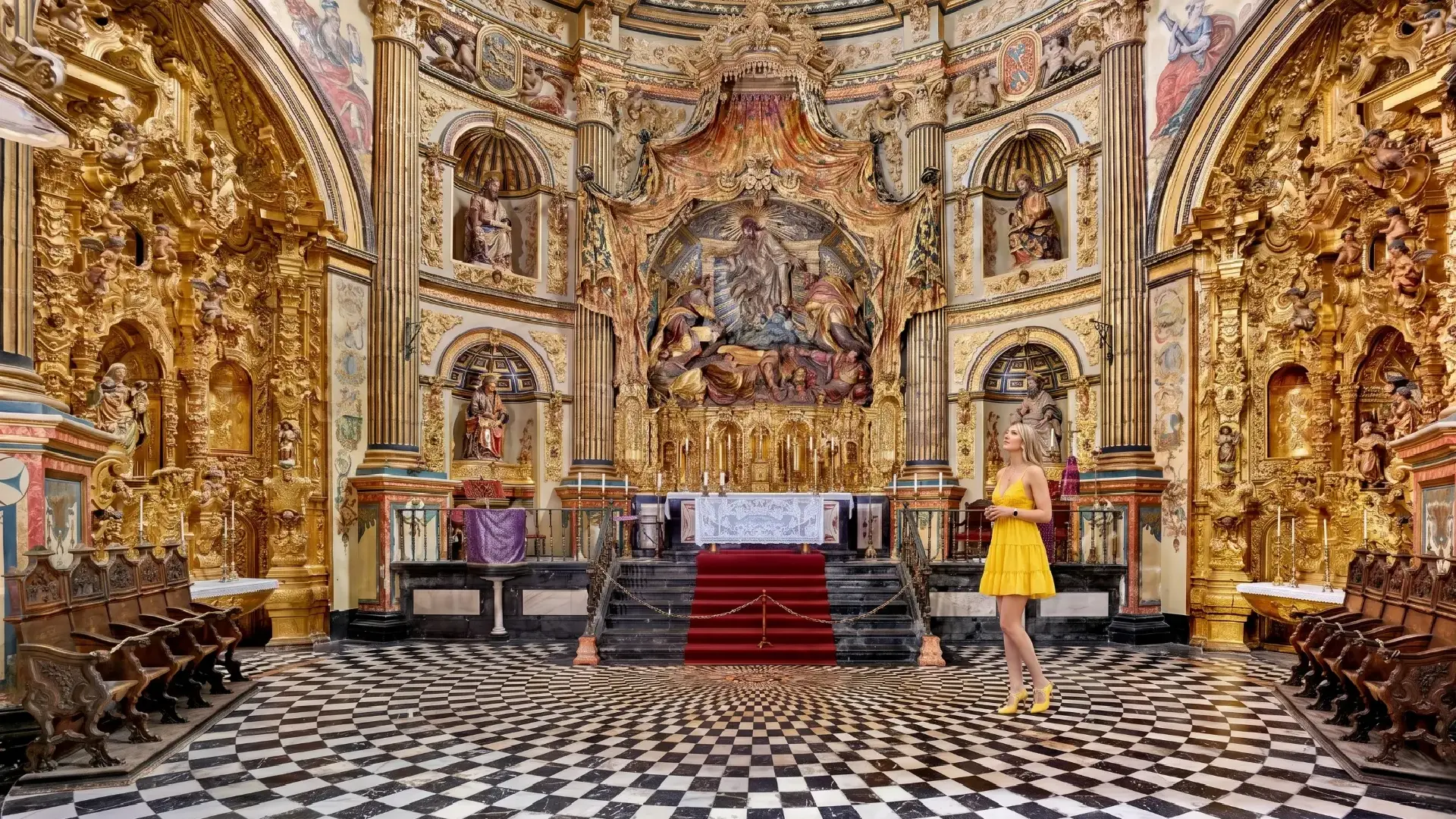
- Basílica de Santa María de los Reales Alcázares: Unlike the Sacra Capilla, this church carries layers of time. Built over the ruins of an old mosque, it blends Gothic, Romanesque, Renaissance, and lingering Islamic influences. I loved how the architecture literally mirrors the region’s history—layered, complex, and impossible to reduce to a single era.
Where I Ate My Way Through the Renaissance Streets
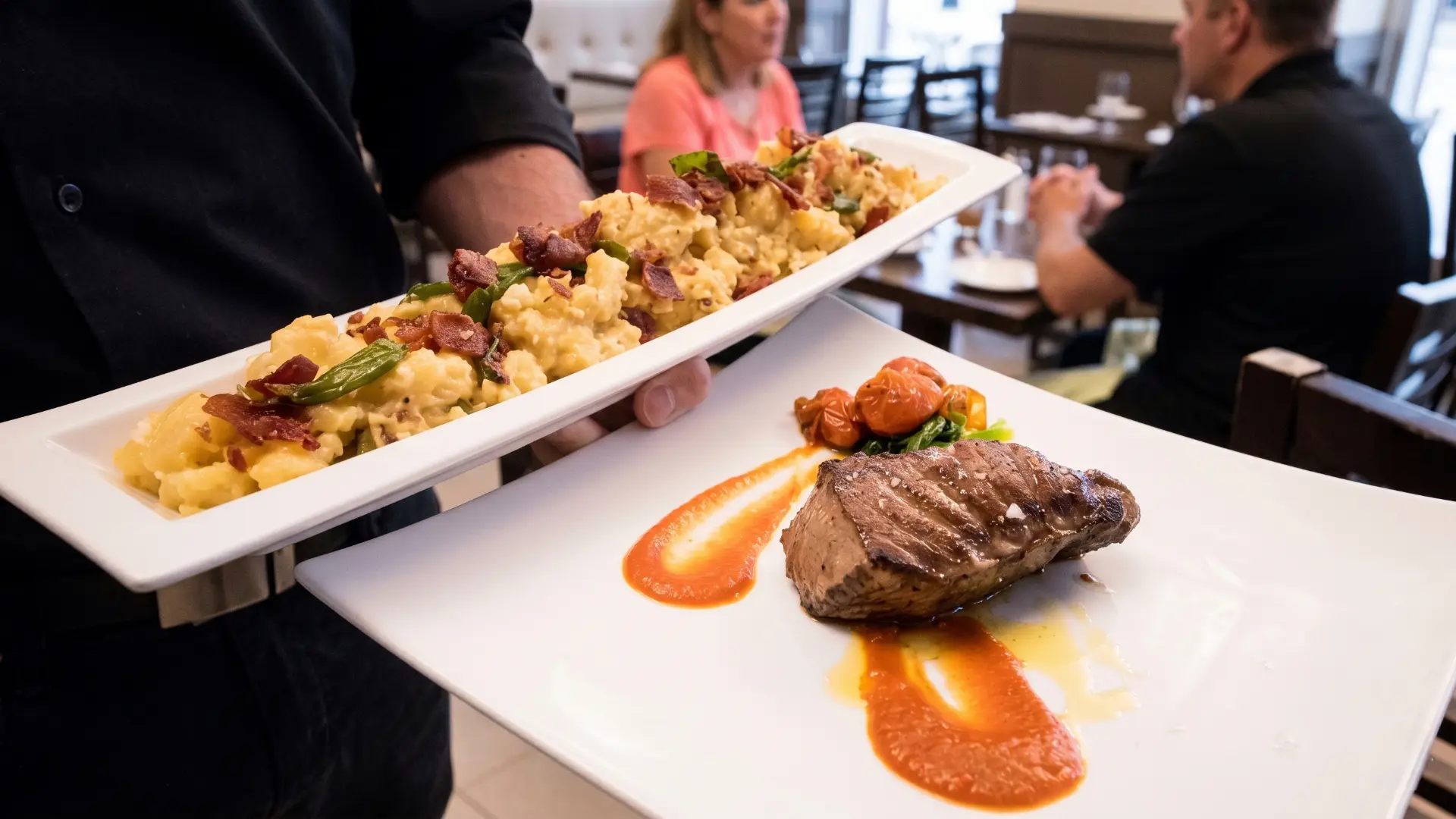
Andalusia’s food culture is legendary, and Úbeda delivers it without the crowds. I made it my mission to eat like a local:
- Cantina La Estación: Tucked into a converted train station, this spot serves inventive Mediterranean plates with serious local roots. I still think about the seasonal dishes.
- Antique Restaurante y Tapas: Right on Calle Real, this place is all about generous, high-quality tapas and excellent Jaén wines. I shared a board, lingered over local reds, and left deeply satisfied.
- Misa de 12: Located in Plaza Primero de Mayo, this tavern consistently delivers. The service is sharp, the regional wine list is thoughtfully curated, and every plate feels intentional.
What I Ordered Again and Again:
- Ochíos: A local paprika-and-olive-oil bread, often stuffed with chorizo or morcilla. Simple, rustic, unforgettable.
- The Free Tapas Culture: In Úbeda, I order a drink and a plate appears. It’s not a gimmick—it’s a tradition. I leaned into it heavily.
- Perdiz Escabechada: Pickled partridge, slow-cooked and deeply regional. It’s a taste of the Andalusian countryside in a single bite.

Quick Bites & Morning Fuel:
- Café de Mayo: Overlooking the Temple of San Pablo, this spot is my go-to for morning coffee, churros, and plaza light.
- Cafetería Pastelería Anaga: On Calle Obispo Cobos, I always grab a media tostada con tomate y aceite de oliva. It’s the most honest breakfast I’ve had in Spain.
The Hidden Gem: Sinagoga del Agua

One evening, I wandered into the Sinagoga del Agua, and it completely shifted my understanding of the city. The synagogue was only uncovered recently when a local builder renovated the house above it. The public spaces and what scholars believe were the rabbi’s living quarters sit across the first floor and basement. I joined the final evening tour of the day. It lasted 30–45 minutes, cost only a few euros, and left me quietly moved. The atmosphere wasn’t theatrical; it was reverent. I could almost hear centuries of history in the cool, damp air.
Final Thoughts
Úbeda doesn’t beg for my attention. It simply asks me to slow down, to walk without a rigid itinerary, to order that second glass of wine because the plaza light is just right. I came expecting a quiet stopover and left with a deeper appreciation for the Spain that exists between the postcard cities. It’s a place where history isn’t locked behind glass—it’s baked into the bread, carved into the doorways, and echoed in my evening footsteps on cobblestone. I urge anyone mapping an Andalusian route to carve out at least two days for Úbeda. I parked my car, left the rush behind, and let the Renaissance streets lead me where they wanted to. I found the quietest, most beautiful version of Spain I’ve ever known, and I already know I’ll return.
Have I wandered through Úbeda yet, or am I still mapping out my Andalusian route? Drop your questions below—I’m always happy to share my favorite hidden alleys, exact restaurant addresses, or how I timed my visit to the Sinagoga del Agua. I’ll save this guide for my next trip, share it with my travel companions, and pack my patience for slow mornings. I’ll see you on the limestone steps.