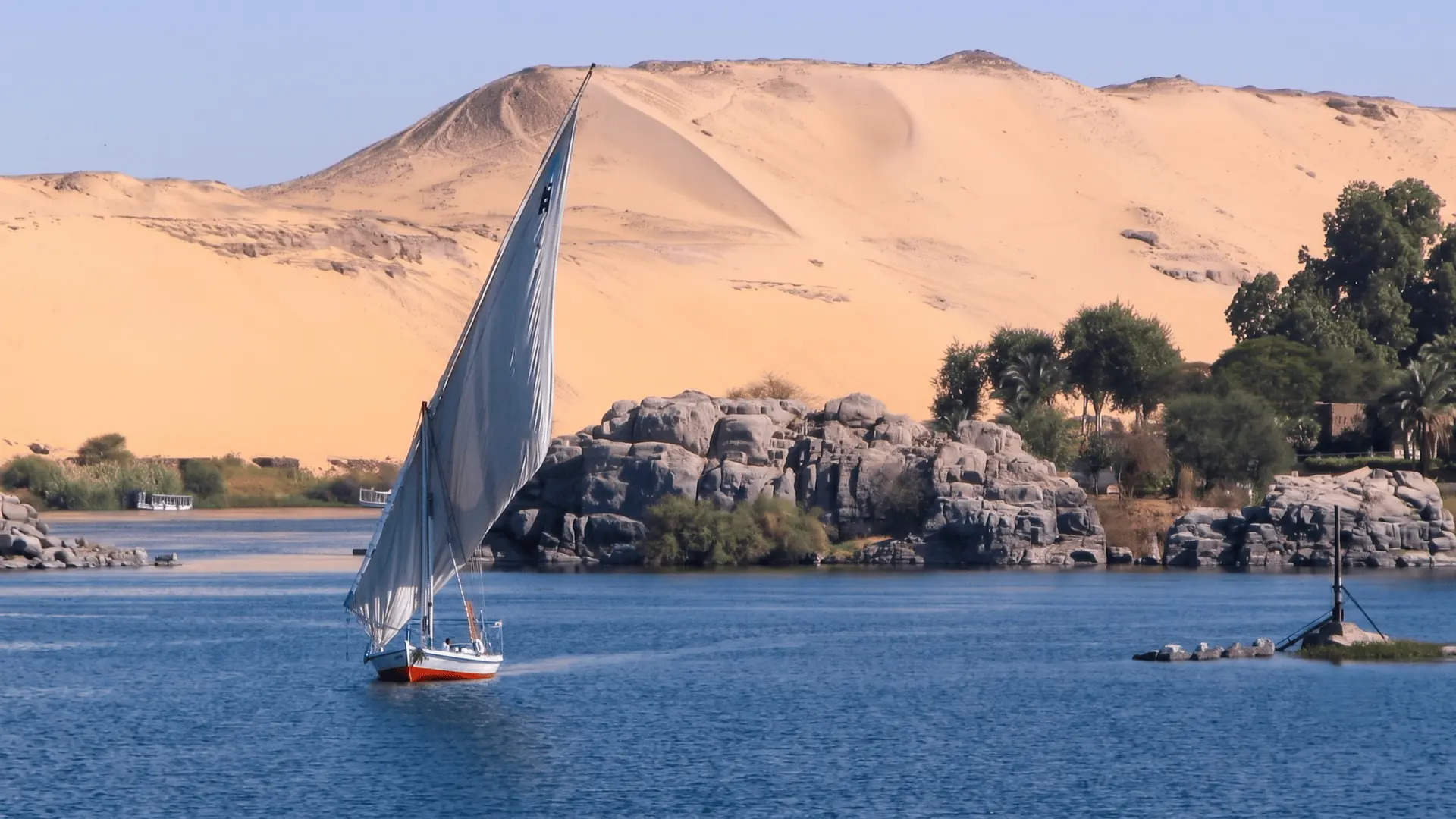
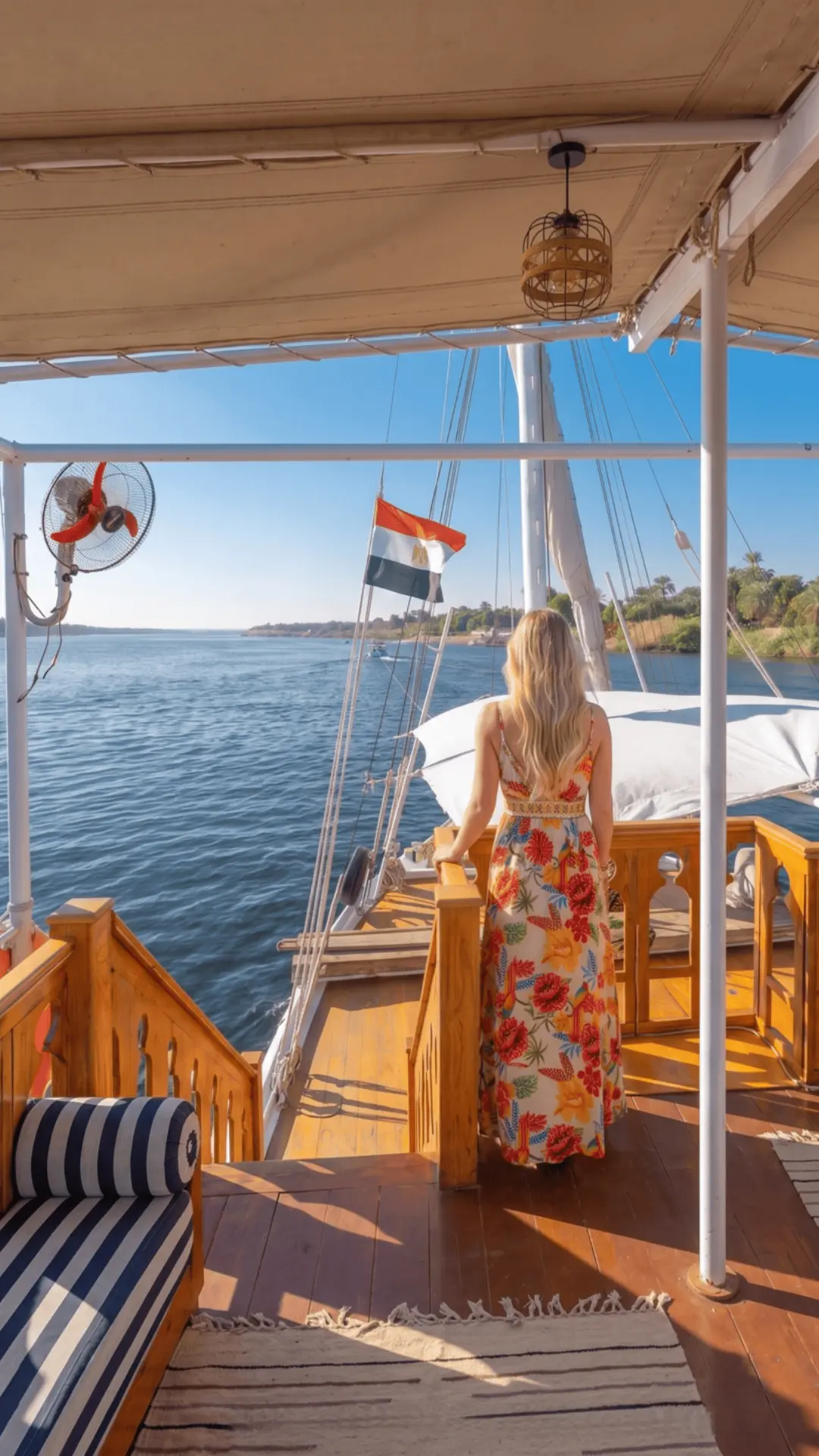
The moment the engine cut out and the massive white sail caught the wind, the chaos of Aswan simply vanished. The honking rickshaws, the shouting vendors, the relentless dust—it all melted away, replaced by the rhythmic slapping of water against the wooden hull. I stood on the top deck of the dahabiya, gripping the wooden railing, and took the deepest breath I’d taken in days.
As a solo budget backpacker, booking a multi-day river cruise felt like a massive departure from my usual 40-liter backpack lifestyle. The dahabiya Nile cruise I booked for my Aswan to Luxor journey cost between $400 and $600 USD for a three-to-four-day trip. That is a serious splurge when you’re used to $10 hostel beds and $2 street food meals. But after days of navigating the overwhelming sensory overload of Cairo and the frantic energy of Aswan, I realized I didn’t just need a change of scenery. I needed a reset.
What I experienced on the water completely shifted my understanding of Egypt. It wasn’t just a transit method; it was the highlight of my entire trip. But it’s also a very specific type of travel that comes with its own quirks, challenges, and unwritten rules. If you are considering trading the backpacker trail for the river, here is everything I wish I had known before I boarded.
1. Understand What a Dahabiya Actually Is
Before I booked, I had to figure out how this differed from the massive cruise ships I saw docked in Luxor. A dahabiya is a traditional, wooden Egyptian sailing vessel. Historically, these were the private yachts of royalty and wealthy merchants. Today, they offer an incredibly intimate alternative to the floating hotels. While the big ships hold up to 200 passengers and feel like all-inclusive resorts, a dahabiya usually maxes out at 10 to 20 guests. The pace is deliberately slow, the atmosphere is quiet, and the focus is entirely on the river and the ruins.
2. The Reality of Wind-Powered Travel
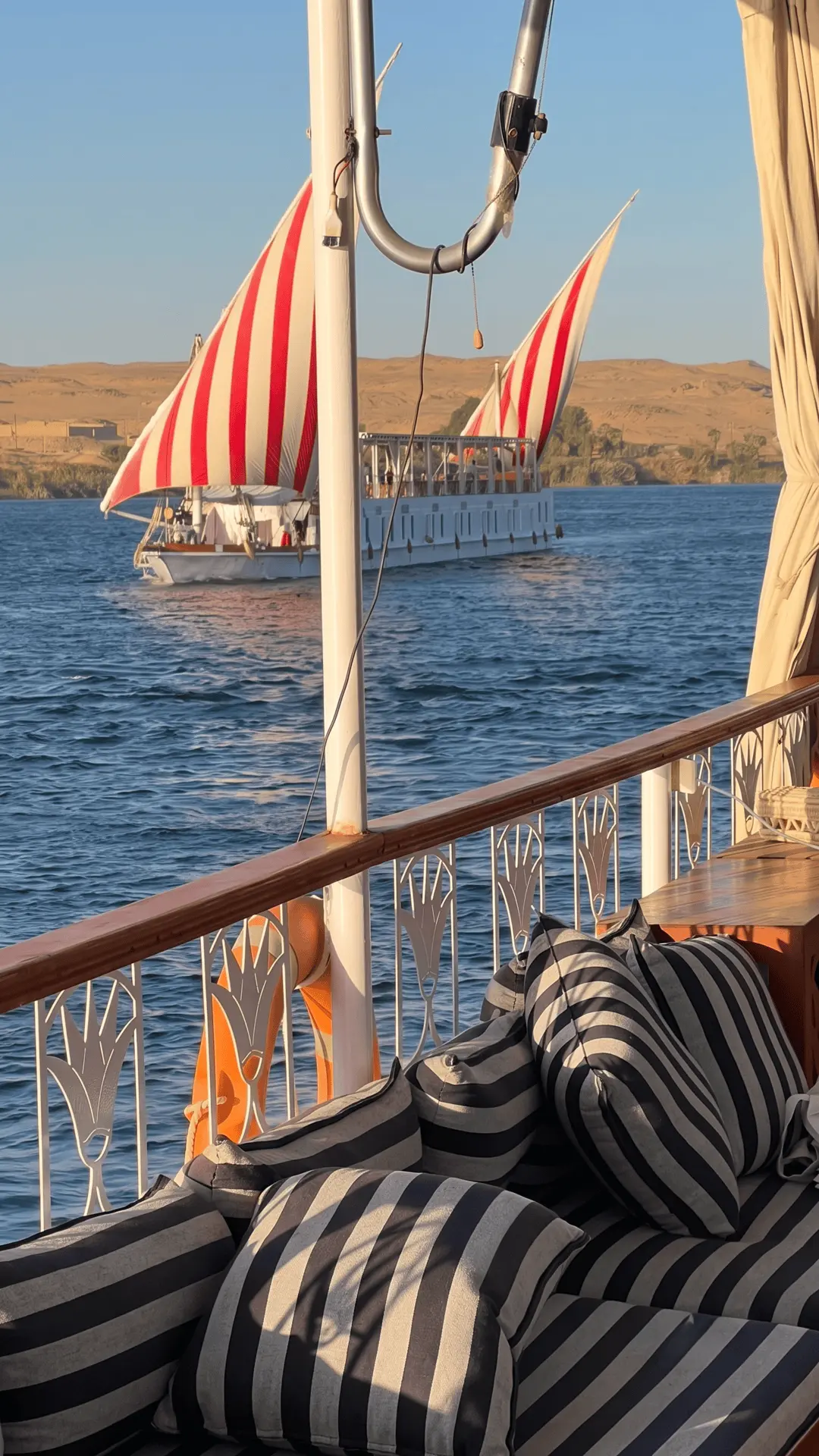
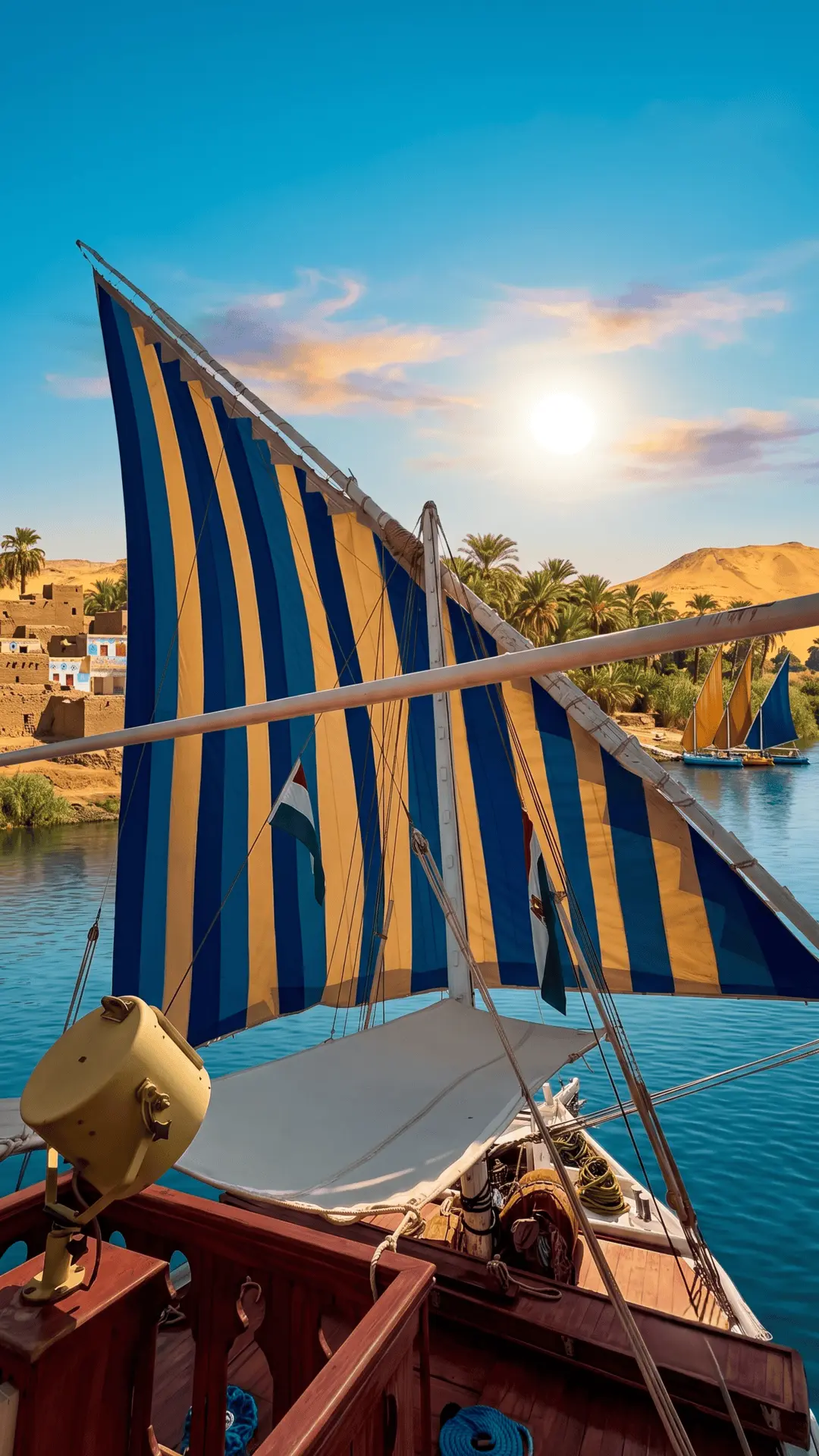
There is a massive romantic appeal to gliding down the Nile under pure wind power. The reality, however, is a bit more mechanical. The Nile’s wind doesn’t always cooperate with your itinerary. When the breeze dies, a small tugboat attaches to the front of the dahabiya via a long rope to pull us along. At first, I felt a tiny bit cheated. But the crew was incredibly transparent about it. Whenever the wind picked up, they would actually stop the tugboat and sail in the opposite direction for a bit, just so we could experience the pure, silent sailing vibe. You barely notice the tugboat anyway, but it’s important to manage your expectations: you are on a schedule, and the wind doesn’t care about it.
3. The Cabin Experience is Cozy, Not Palatial
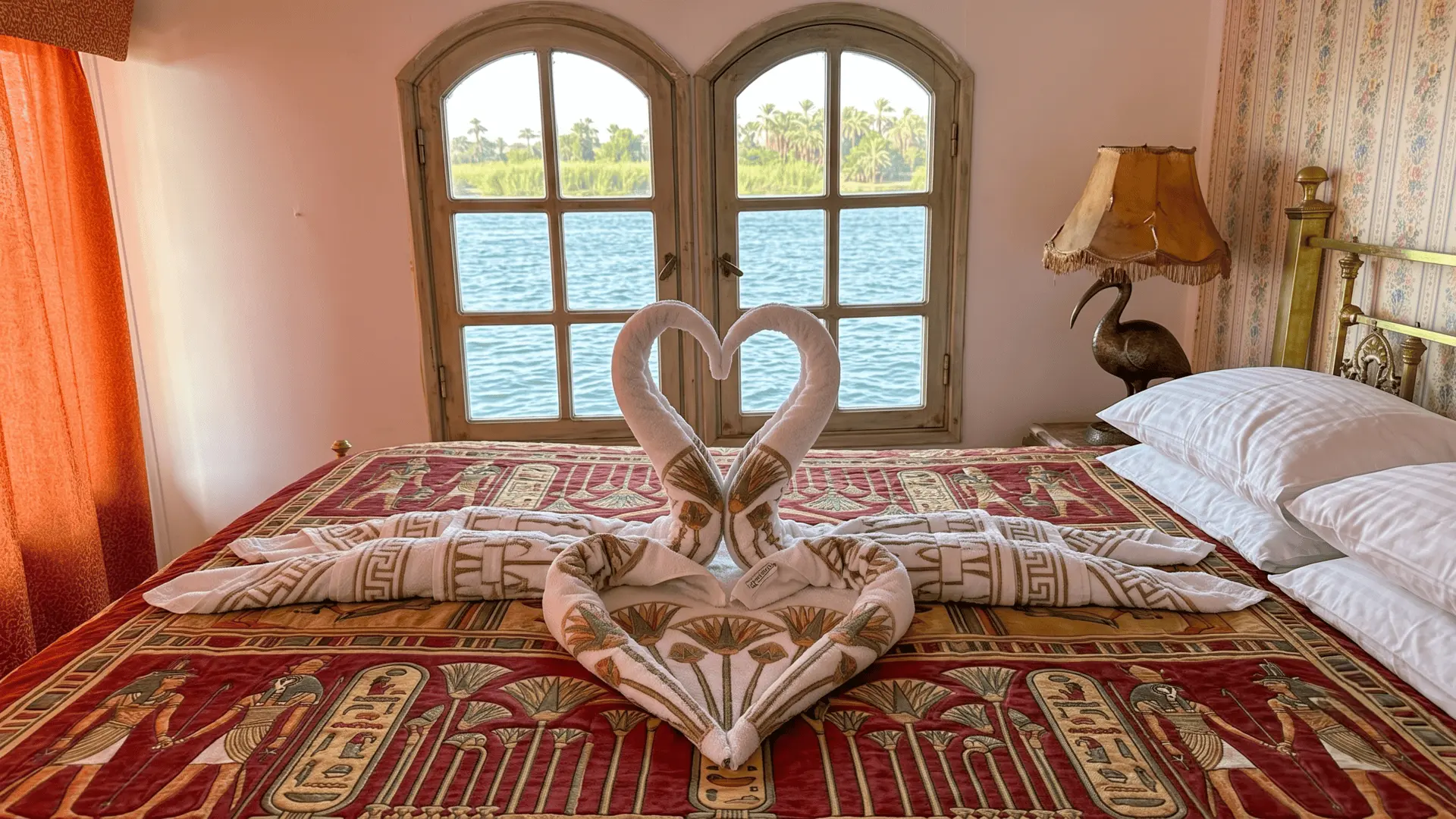
I didn’t splurge on the panoramic suite; I booked a standard cabin, and it was perfectly fine. Dahabiyas typically have between 4 and 8 cabins. My room was compact but highly functional. It had a private en-suite bathroom (a massive luxury when traveling in rural Egypt), strong air conditioning, and a large window looking directly out at the passing riverbanks. The decor was traditional, featuring dark wood and colorful textiles. It wasn’t a massive hotel room, but it was clean, comfortable, and felt like a private sanctuary after a long day in the tombs.
4. Top Deck Life is the Main Event
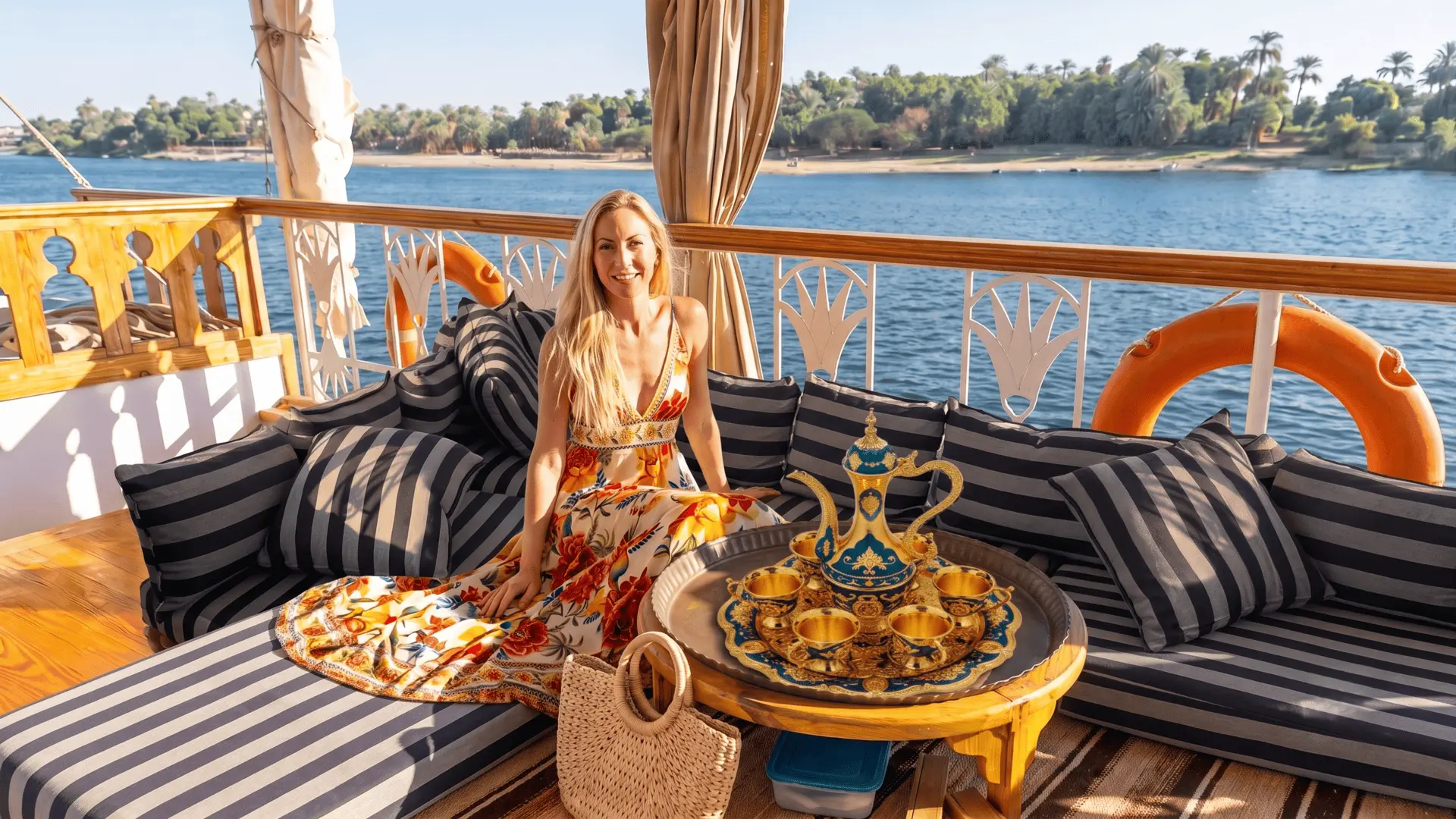
You don’t spend much time in your cabin on a dahabiya nile cruise. The real living happens on the top deck. Between temple visits, the deck is covered in comfortable cushions, low tables, and shaded lounging areas. I spent hours just sitting there with a book, watching the river roll by. It’s a forced digital detox that feels incredibly liberating. You watch local fishermen casting their nets, kids waving from the muddy banks, and water buffalo cooling off in the shallows. It’s front-row seating to rural Egyptian life.
5. Packing Requires a Solo Female Strategy
Dressing for the boat requires balancing the intense daytime heat with the surprisingly chilly river nights, while also respecting local conservative norms. During the day, I lived in lightweight, breathable maxi skirts and loose linen tops. When we docked at small villages for walks, I switched to lightweight hiking pants and a dri-fit shirt to be respectful and protect my legs from the sun and brush. But the real secret is layers. The wind on the open deck at night drops the temperature significantly. I was incredibly grateful I packed a warm fleece for the evenings.
6. The Food Will Ruin You for Other Meals
I expected basic cruise fare. I got a culinary revelation. The onboard chef prepares fresh, incredible meals daily, and the dining setup is magical. We ate at a long communal table right in the center of the top deck, surrounded by the open sky. The ingredients were hyper-local. I became completely addicted to the fresh hummus, the grilled river fish, and the daily salads. But the absolute star was the fresh-pressed juices. Every morning, the crew served a mysterious, vibrant “green juice” that tasted like mint, cucumber, and pure magic. I still dream about it.
7. Forget About Wi-Fi (And Embrace It)
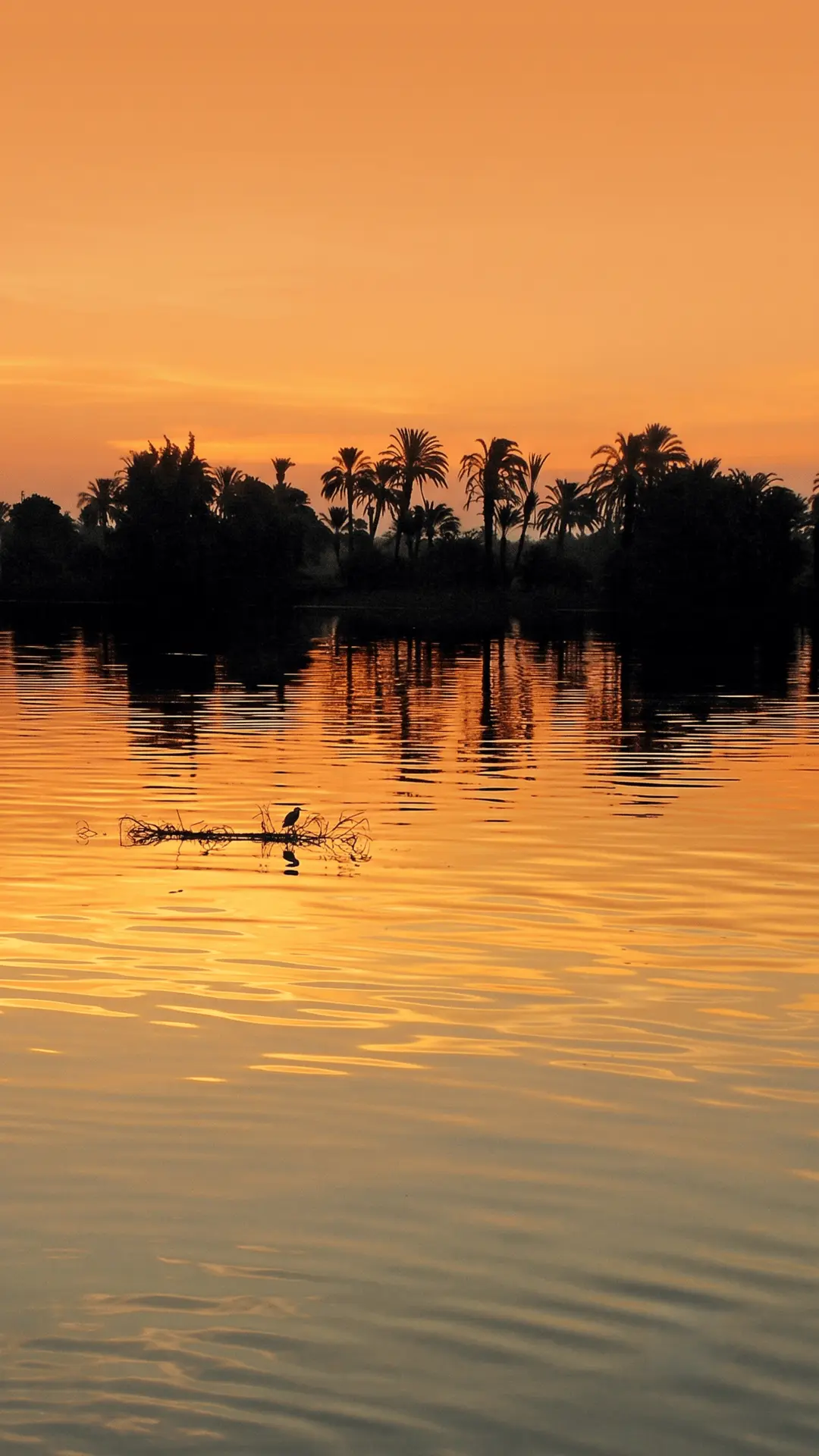
Most dahabiyas do not have Wi-Fi. If they do, it’s a painfully slow satellite connection that barely loads an email. When I first realized this, my solo-traveler anxiety flared up. How would I check my bank balances? How would I upload my photos? By day two, I stopped caring. The lack of connectivity forced me to be entirely present. I read physical books, I talked to the other guests, and I actually watched the sunset instead of watching it through a screen. It was the best mental break I’ve had in years.
8. The Shore Excursions Are the Real Treasure
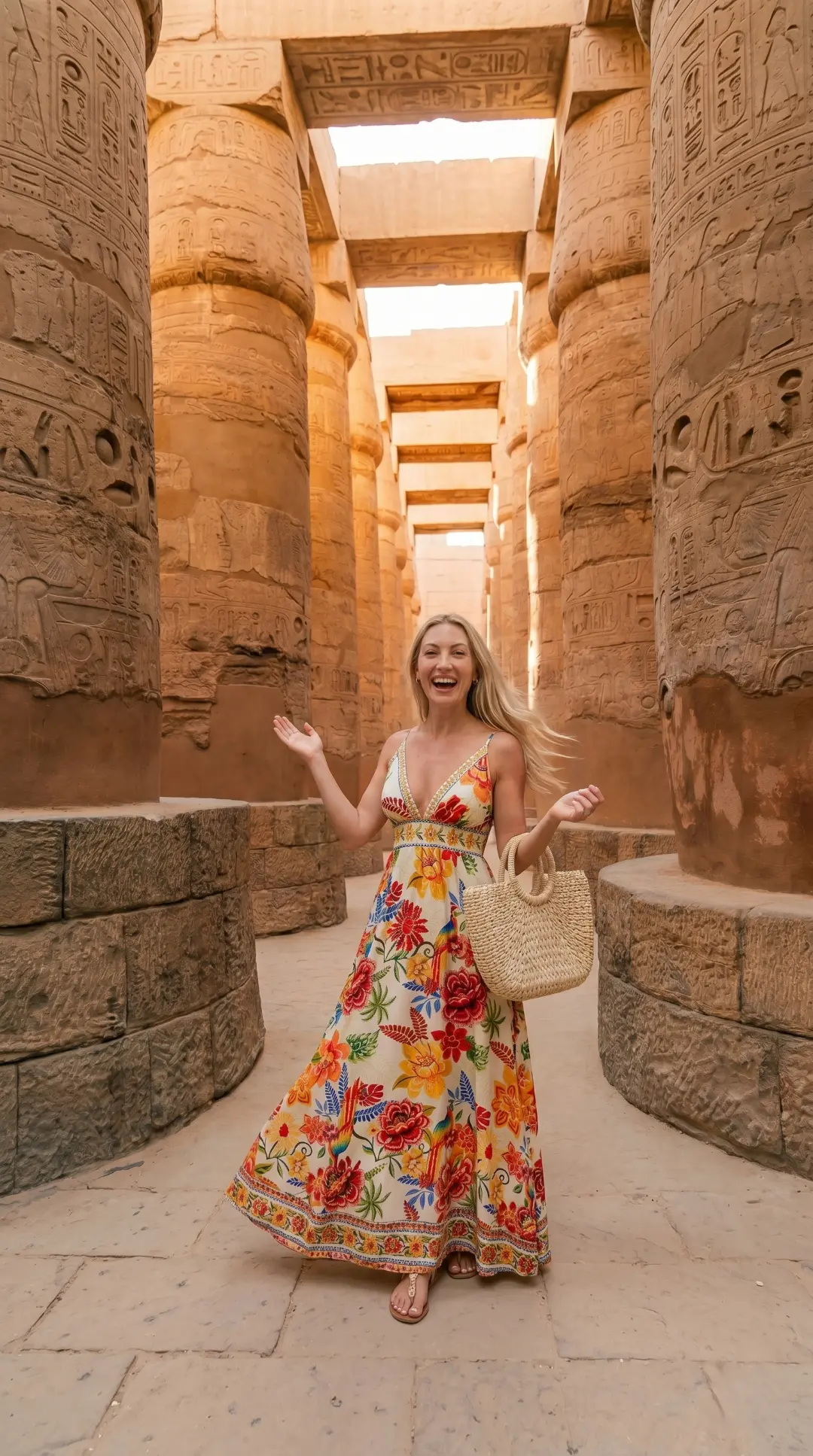
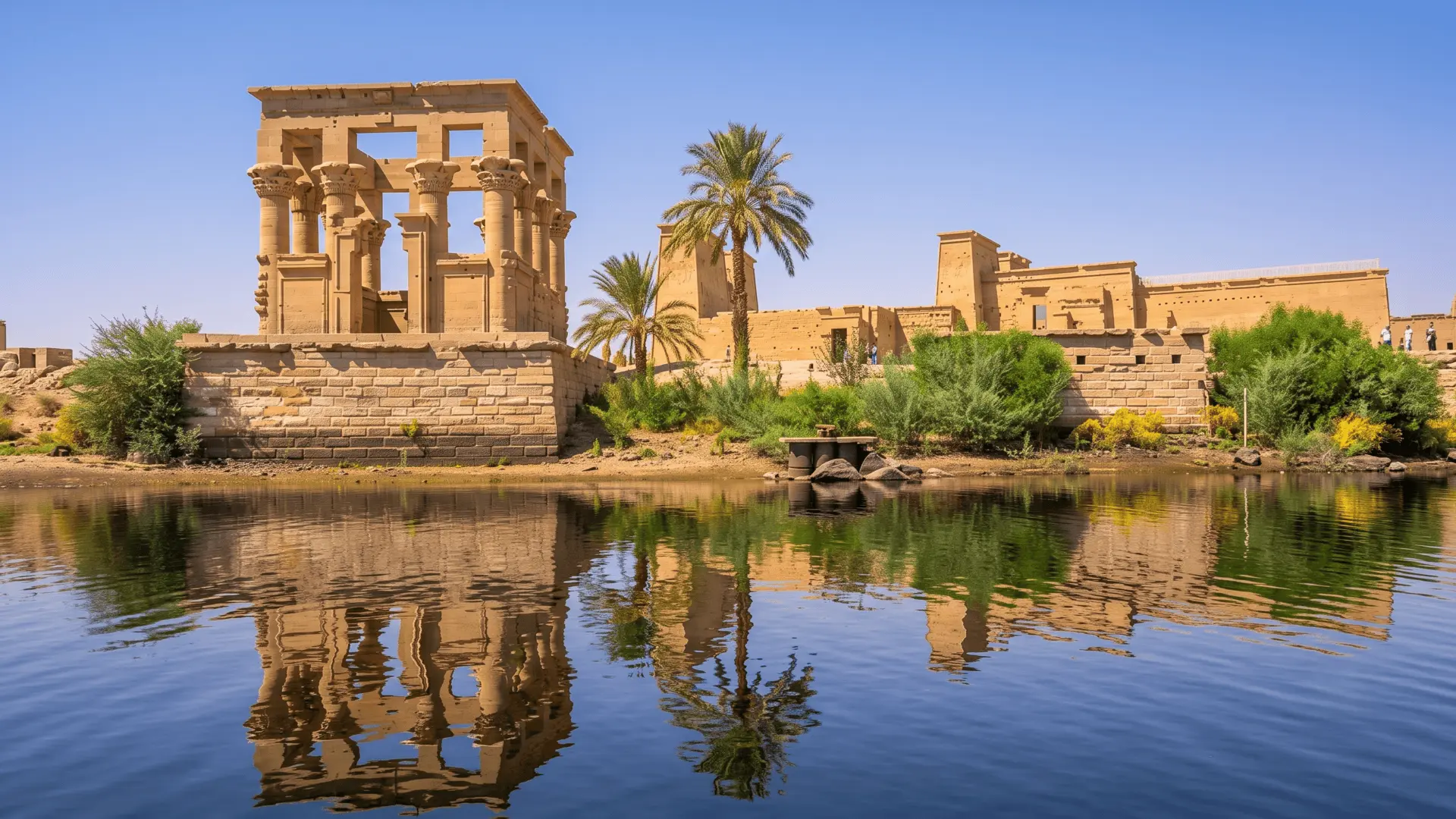
The big cruise ships can only dock at major ports, meaning they miss half the history. Because a dahabiya is small and shallow-drafted, it can pull up right to the muddy banks of lesser-known sites. We visited Gebel el-Silsila, an ancient quarry with stunning rock-cut shrines that the big ships completely bypass. We also stopped at El Kab and wandered through ancient ruins without battling hordes of tourists. The ability to access these quiet, untouched sites is the single biggest advantage of choosing a dahabiya Nile cruise.
9. A Typical Day Follows a Beautiful Rhythm
There is no rushing on the water. A typical day started with waking up to the sound of the river, followed by strong coffee and breakfast on deck. We’d dock at a temple in the late morning, explore for a couple of hours, and return to the boat for a massive, freshly cooked lunch while we sailed to the next location. The afternoons were for lounging, reading, or taking a second, shorter excursion. As the sun went down, we’d gather for afternoon tea, watch the sky turn purple, and finally sit down for dinner under the stars.
10. Timing Your Trip is Non-Negotiable
Do not do this in the summer. The upper Nile gets brutally, dangerously hot between May and September. The ideal window for a dahabiya nile cruise is October through April. I traveled in the shoulder season, and the daytime temperatures were warm but manageable. The nights, however, were crisp and cool. If you go during the winter months, pack accordingly, because the wind chill on the open deck is no joke.
11. Dahabiya vs. Modern Cruise Ship: The Verdict
People always ask me if the smaller boat is worth the higher price tag compared to a standard cruise. For a solo traveler seeking authentic connection, the answer is a resounding yes. The modern ships are great if you want a swimming pool, a gym, and a packed itinerary. But they feel like floating malls. The dahabiya trades those amenities for intimacy, flexibility, and access. I’d rather have a private tea with a local village elder than sit by a chlorinated pool any day of the week.
12. Know Who This Experience Is Actually For
A dahabiya is not for everyone. If you are looking for wild nightlife, a hyper-structured itinerary where every minute is accounted for, or a rock-bottom budget trip, this isn’t it. It is perfect for solo travelers, couples, or anyone who appreciates a slower, more luxurious pace. It requires a willingness to embrace downtime. If the idea of staring at a riverbank for two hours sounds boring to you, book the big ship instead.
13. You Get a Front-Row Seat to Nile Life
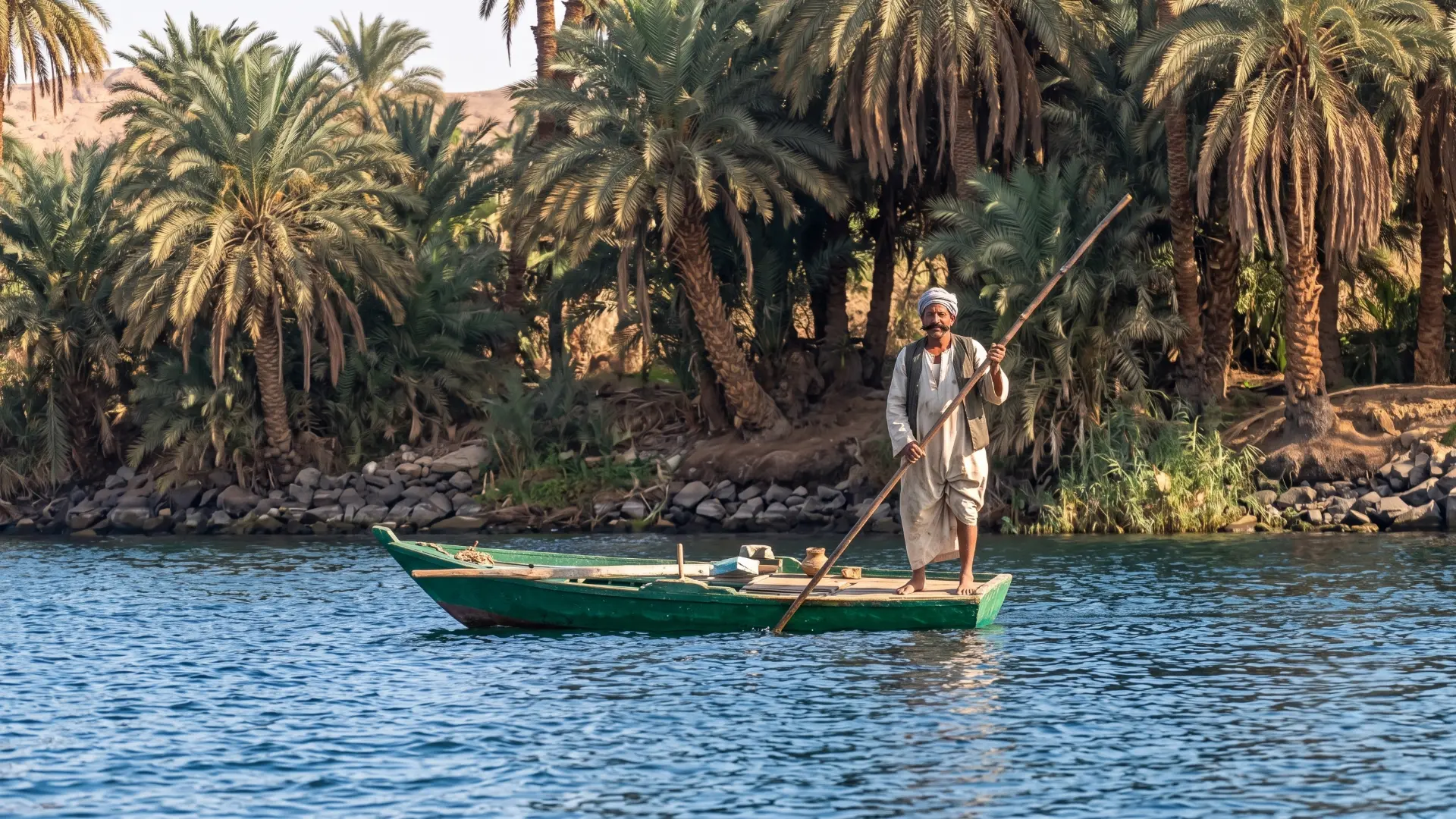
One of my favorite things to do was just lean over the railing and watch the banks. The Nile is the lifeline of Egypt, and the daily life unfolding along its edges is mesmerizing. I watched farmers harvesting sugar cane, kids jumping off mud banks into the water, and women washing clothes in the shallows. At night, the boat moors in quiet, unlit spots. Waking up in the middle of nowhere, with nothing but the sound of birds and the smell of damp earth, is a profoundly grounding experience.
14. The Tipping Culture is Mandatory and Expected
This is a crucial budgeting point. The crew on a dahabiya works incredibly hard, and tipping is a standard, expected part of the experience. It’s not just a bonus; it’s a vital part of their income. You need to budget for tips for the captain, the chef, the housekeeping, and the deckhands. I kept a separate envelope of cash for this. At the end of the trip, we pooled our tips and handed them to the captain to distribute. Do not skip this, and do not under-tip. The service is exceptional, and they earn every penny.
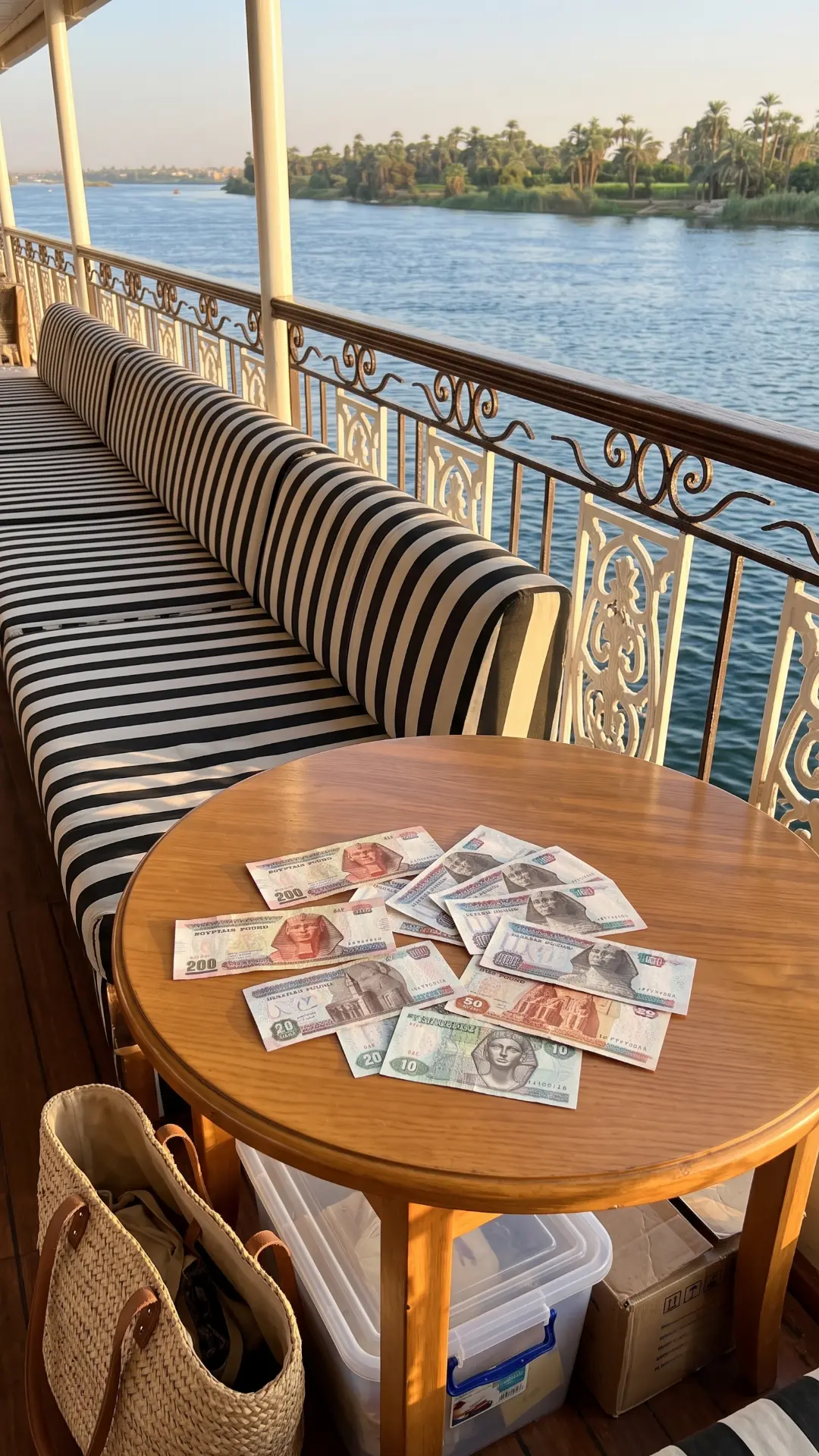
15. Bring Cash (Lots of It)
ATMs are practically non-existent once you leave Aswan. The small towns we passed through and the rural docking spots do not have banks, and the ones that do often have machines that are broken or out of cash. You need Egyptian pounds for your tips, for buying small souvenirs from village vendors, and for any extra drinks you might want outside the standard package. I withdrew a large amount of cash in Aswan before boarding, and it saved me a massive headache.
16. Safety on the Water is Highly Regulated
As a solo female traveler, safety is always my top priority, and I had a few initial worries about being on a boat in remote areas. I shouldn’t have. The crew is fiercely protective of their guests. When we moored for the night, a crew member always stayed on watch. I did witness one slightly tense moment when a small, unmarked speedboat tried to lasso our dahabiya to get a free tow. The crew spotted them instantly, unhooked the rope in seconds, and handled it without panic. After that, I just kept my cabin door locked when I was inside. I felt completely secure the entire time.
17. Understand the Geography: Up vs. Down River
The terminology confused me at first. On the Nile, “upriver” means heading south, and “downriver” means heading north. My journey from Aswan to Luxor was technically “downriver.” This direction is slightly faster because you are moving with the current, which shaves a bit of time off the trip. If you go from Luxor to Aswan, you are going “upriver,” which takes a bit longer but allows you to watch the sunset from the back of the boat. Both directions hit the exact same temples, so just choose based on your overall itinerary.
18. The Shock of Docking in Towns
Here is something nobody warns you about: the contrast between the peaceful boat and the chaotic towns. When we docked at Edfu or Kom Ombo, the moment we stepped off the boat, we were immediately swarmed by local vendors, carriage drivers, and touts. It is a massive sensory shock after the zen-like quiet of the dahabiya. My strategy was to put my sunglasses on, keep my head down, and walk briskly with the group or the guide until we cleared the immediate dock area. Once you get past the first 50 meters, the touts give up and you can enjoy the town.
19. The Luggage Reality Check
Because these boats are traditional wooden vessels, they do not have elevators or wide, modern hallways. The staircases are steep and narrow. If you are dragging a massive, 30-kilo hard-shell suitcase, you are going to have a terrible time. This is where my 40-liter backpack shined. I could easily carry my gear up the narrow stairs to my cabin without breaking a sweat or needing to ask for help. If you must bring a suitcase, pack as light as humanly possible, because maneuvering it on a dahabiya is a physical challenge.
20. Is the Dahabiya Nile Cruise Actually Worth It?
Yes. A thousand times, yes. After the dust, noise, and relentless hustle of Cairo, the dahabiya was the deep breath I didn’t know I needed. It allowed me to process the overwhelming history I was seeing, to connect with fellow travelers in a relaxed setting, and to see a side of rural Egypt that the big ships completely ignore. It cost more than my usual daily budget, but the value I got in peace, access, and perspective was priceless.
Quick FAQ — Dahabiya Nile Cruise Logistics
Is a dahabiya nile cruise safe for solo female travelers?
Absolutely. The boats are small, the crew is highly vetted and protective, and the environment is very controlled. As a solo female, I felt completely secure. The only real annoyance is dealing with the touts when you disembark at the temple sites, which is standard for all of Egypt.
How much does a dahabiya nile cruise from Aswan to Luxor cost?
Prices vary wildly depending on the level of luxury and the season. For a standard, comfortable dahabiya, expect to pay between $400 and $600 USD per person for a 3-to-4-day journey. This usually includes all meals, accommodations, and guided temple excursions.
Do I need to bring my own towels and toiletries?
No. The cabins are equipped like a standard hotel room. You will find clean towels, basic soap, and shampoo provided. However, I always bring my own quick-dry travel towel just in case, and I prefer my own toiletries.
What happens if I get seasick?
The Nile is a river, not the open ocean. The water is incredibly calm, and there are no waves. Seasickness is exceptionally rare on a dahabiya. If you are highly sensitive to motion, the gentle rocking of the boat might feel slightly unusual on the first night, but it’s nothing like ocean travel.
Can I book a dahabiya Nile cruise as a solo traveler?
Yes, but you will likely have to pay a single supplement if you want your own cabin. Some boats offer shared cabin options for solo travelers, but they are rare. It is highly recommended to book well in advance, as the small cabin count means they sell out quickly.
Are the temple entrances included in the cruise price?
Usually, yes. Most all-inclusive dahabiya packages cover the entrance fees for the standard itinerary (like Kom Ombo and Edfu). However, if you want to visit extra sites or take photos inside specific tombs that require an extra camera ticket, you will need to pay that out of pocket in cash. Always check your specific contract before boarding.
Final Thoughts
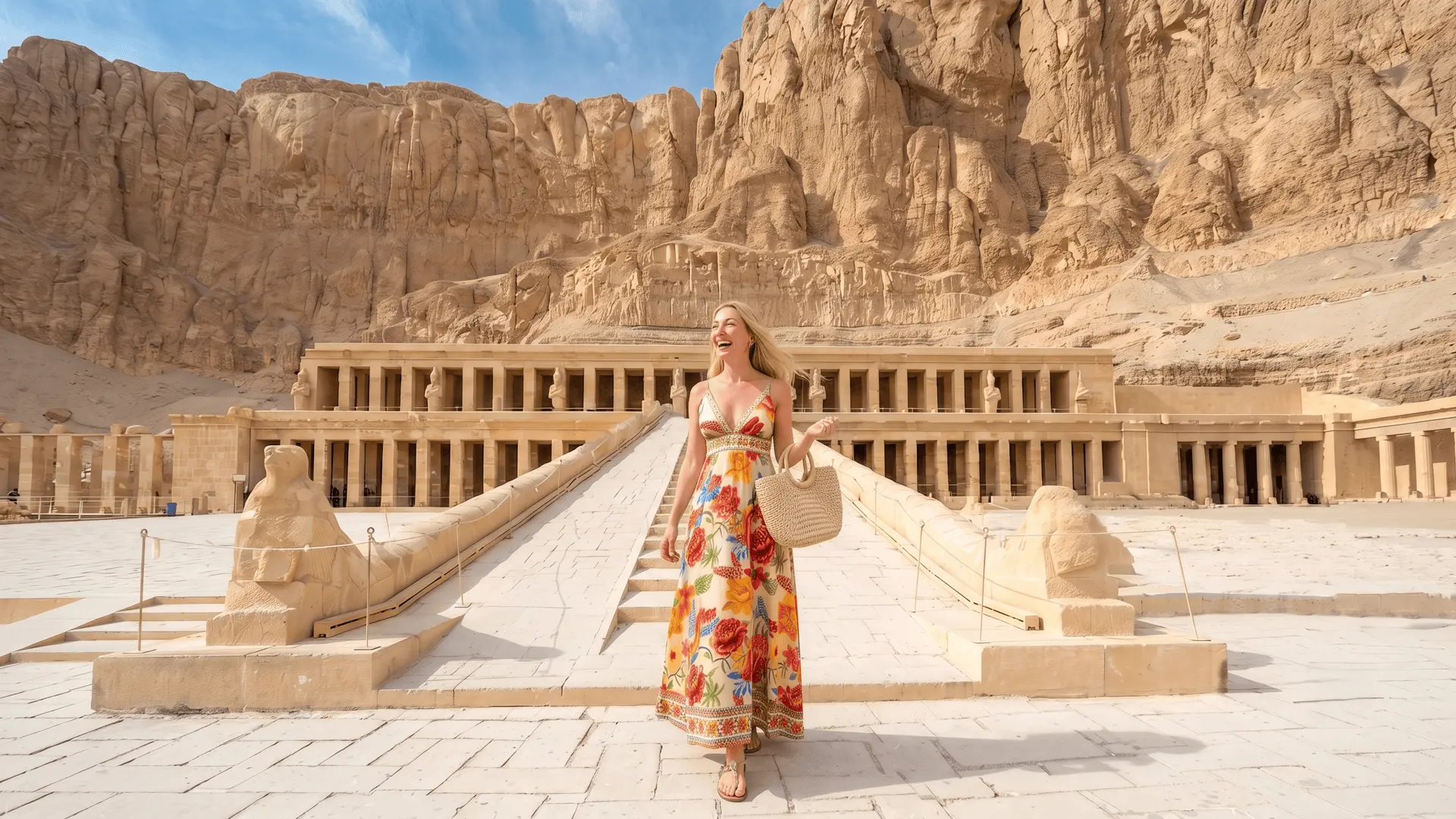
Traveling solo through Egypt can be an intense, overwhelming, and deeply challenging experience. The sheer scale of the history, the aggressive touts, and the cultural barriers can easily lead to burnout. That is exactly why the dahabiya nile cruise was the anchor of my trip.
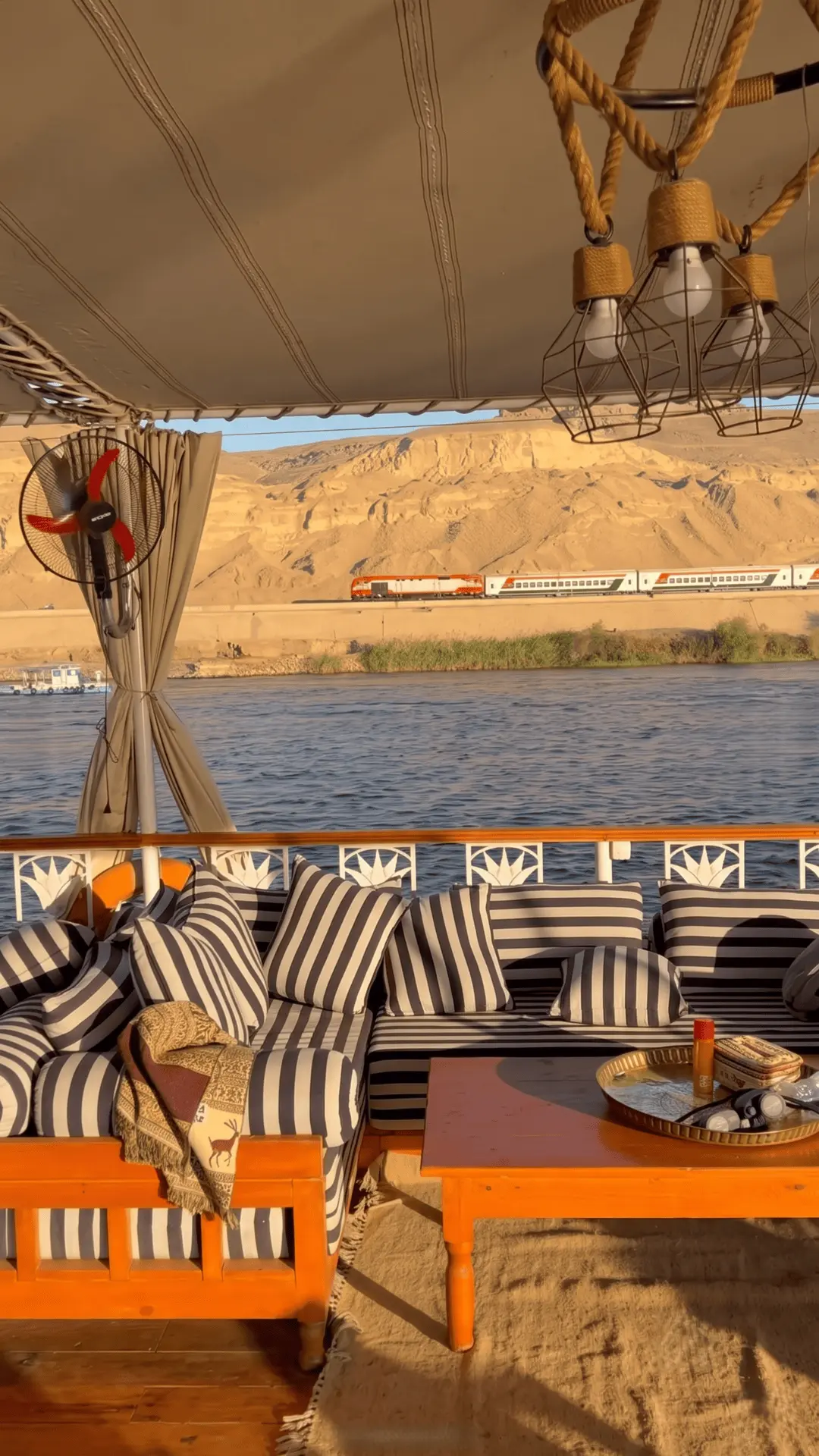
It wasn’t just a way to get from Aswan to Luxor. It was a necessary pause. It gave me the space to sit on a wooden deck, drink mint tea, and let the ancient landscape roll by without anyone asking me to buy a papyrus or ride a camel. It reminded me that slow travel isn’t just a buzzword; it’s a vital tool for experiencing a country deeply rather than just skimming the surface.
If you are planning your Egyptian adventure and have the budget to stretch for it, skip the massive floating hotel. Find a quiet dahabiya, book a standard cabin, and let the river do the work.
Have you ever traveled by boat in Egypt, or are you trying to decide between the big ship and the traditional sail? Drop your questions in the comments below. I read every single one and I’m always happy to share my specific boat recommendations or tips on handling the tipping culture. Save this guide, share it with your travel companion, and pack your sense of wonder. I’ll see you on the Nile.